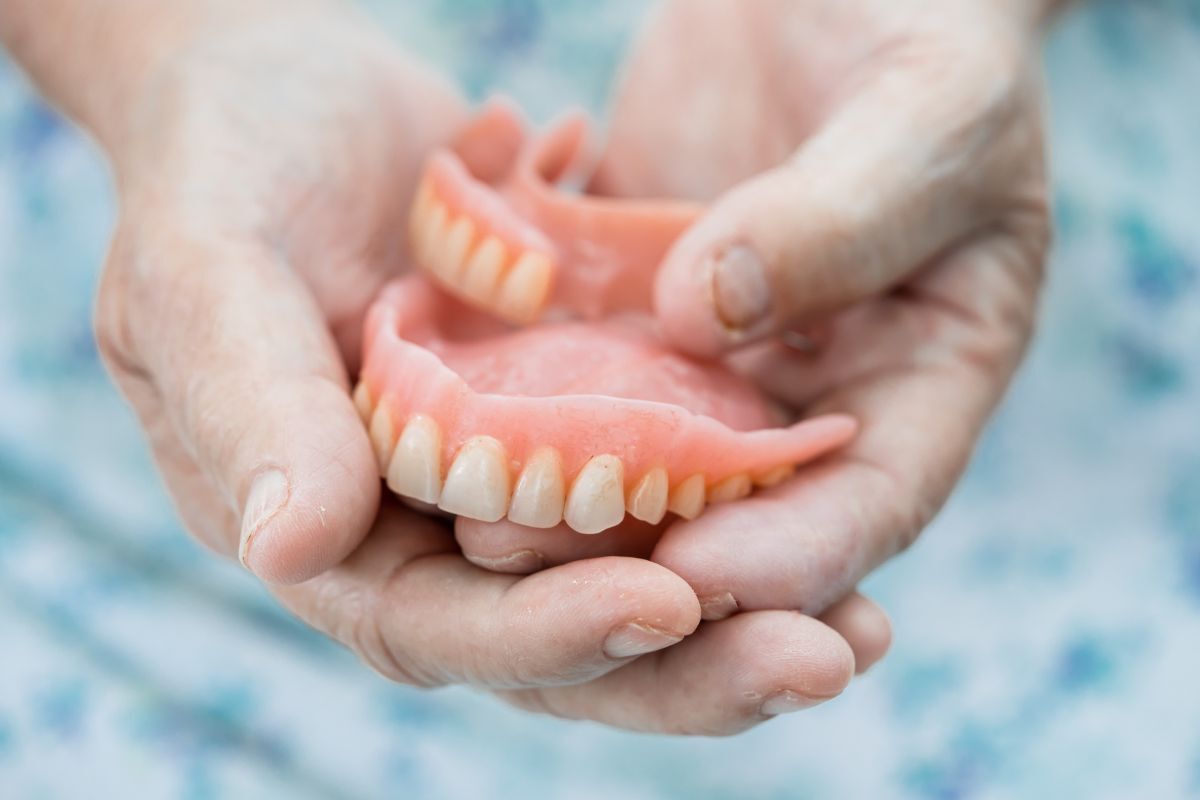


Severe bone loss in the jaw can make wearing dentures uncomfortable or even impossible. Fortunately, there are advanced surgical alternatives available in Tempe that provide stable, long-lasting solutions. These procedures are designed for people with significant bone loss and can restore both function and appearance. Want to learn more about it? Read this blog till the end for comprehensive information.
What Are the Best Surgical Alternatives to Dentures for Severe Bone Loss?
When dentures are not an ideal solution for your lost teeth, here are some surgical procedures that turn out to be great alternatives.
All-on-4-Implants
This method uses four strategically placed implants to support a complete set of teeth. Two implants in the front are placed vertically, and two in the back are angled to anchor in denser bone. If you are suffering from moderate bone loss, the All-on-4 implants in Tempe can be your ideal solution.
One of the main advantages is that a temporary set of fixed teeth can often be placed the same day as the implants. This avoids the long waiting times familiar with traditional implant procedures. It is also less invasive and offers quicker results for many patients.
Zygomatic Implants
When the upper jaw lacks sufficient bone, zygomatic implants provide a dependable solution. Instead of being placed in the jawbone, these implants anchor into the cheekbone, which is denser and more stable.
These artificial tooth roots are longer than conventional implants and are anchored in the cheekbone (zygoma), which has denser bone and is less prone to bone loss. This makes them a reliable choice for patients who lack sufficient bone density for traditional implants. Moreover, they promote faster restoration and long-term success.
What are the Benefits of These Surgical Alternatives?
Surgical alternatives for dentures offer several benefits, especially for people with significant bone loss, and they are as follows,
- Strong, secure support for permanent replacement teeth
- Improved comfort and function, including better chewing ability
- Preservation of remaining jawbone—unlike traditional dentures, which can accelerate bone loss
- No need for messy adhesives or pastes
- Quicker restoration in many cases
These advantages can significantly improve your oral health and overall quality of life.
How Long Does Dental Implant Treatment Take From Start to Finish?
Understanding the treatment process helps patients relieve anxiety and make informed decisions. Here is a general timeline from extraction to your final crown:
- Initial Consultation & Imaging: A 3D scan and evaluation help assess bone structure and determine the appropriate implant option.
- Tooth Extraction (if needed): Healing takes 6–8 weeks before implants are placed.
- Implant Surgery: Zygomatic or All-on-4 implants are placed in a single surgical appointment.
- Healing Phase (Osseointegration): The implants bond with bone over 3–6 months, depending on your health and case complexity.
- Temporary Teeth (if applicable): All-on-4 patients may receive a same-day temporary restoration for immediate function.
- Final Restoration (Permanent Crowns or Prosthesis): After healing, your custom-made teeth are securely attached to the implants.
The timeline generally ranges from 6 to 8 months, depending on your individual healing process.
Whom to Choose for the Procedure? An Oral Surgeon or a General Dentist?
If you are considering advanced options due to severe bone loss, it is essential to choose the right professional.
A general dentist typically performs cleanings, checkups, and basic dental procedures. They may identify missing teeth and refer you to a specialist if your needs go beyond standard care.
When bone loss makes it difficult to put in implants, it’s better to see a specialist in oral surgery. These experts have the training, skills, and special instruments needed for advanced procedures like zygomatic or All-on-4 implants. Since these surgeries happen near nerves and sinuses, they require careful and precise work.
If dentures are not working due to bone loss, you do not have to compromise your comfort or loose-fitting teeth. Advanced surgical alternatives like All-on-4 and zygomatic implants are now available in Tempe, Phoenix, and Scottsdale at Oral & Facial Surgeons of Arizona. Why suffer from the consequences of bone loss? Book your appointment today to get the best solution that lasts for life.
FAQs
What is the best alternative to dentures when you have bone loss?
Implant-supported options like All-on-4 or zygomatic implants are strong alternatives. They do not rely on gum support and offer better stability.
How do I know if I have too much bone loss for dentures or implants?
A dental exam with 3D imaging determines the amount of bone left in your jaw. Severe bone loss may cause dentures to become loose or unstable, but advanced implant options are still possible.
Are zygomatic implants safe and successful?
Yes, when placed by an efficient oral surgeon, zygomatic implants have a high success rate and are considered a safe alternative for patients with significant upper jaw bone loss.
Is recovery from zygomatic or All-on-4 implants painful?
Most patients experience manageable discomfort after surgery, which can be controlled with prescribed medications. Moreover, swelling and soreness usually fade within a few days.
How long do zygomatic implants last?
With proper care and maintenance, these implants can last 15–20 years or longer. Their success largely depends on the efficiency of the surgical team and on maintaining good oral hygiene.