

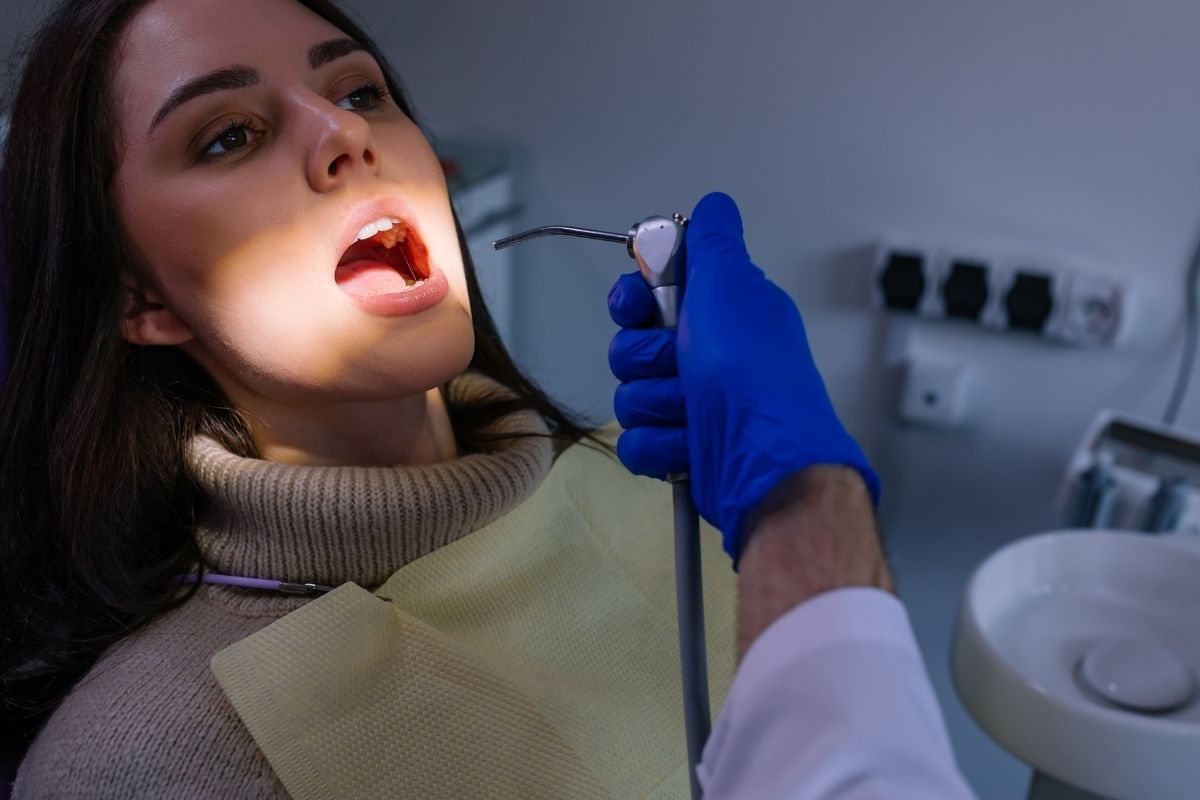
Wisdom teeth, or third molars, are the final set of teeth to emerge, usually appearing in the late teens or early twenties. For some, these teeth arrive without incident. For many others, however, they present a complex challenge to oral health. Because these molars are the last to arrive, the jaw often lacks the necessary space to accommodate them.
Deciding when to have wisdom teeth removed is a significant health decision. It is not merely about addressing current pain, but about proactive planning to ensure the long-term health of your smile. Understanding the biological window for extraction can turn a potentially difficult surgical event into a routine, manageable recovery.
The Logic of Early Evaluation
The most common question patients ask is why they should remove teeth that aren’t currently hurting. The logic lies in the development of the tooth itself. In the mid-to-late teens, the roots of the wisdom teeth are not yet fully established. At this stage, the bone surrounding the teeth is also less dense.
Removing wisdom teeth during this developmental window is medically safer and leads to a faster recovery. As we age, the roots continue to grow longer and can become intertwined with the sensory nerves in the jaw. Additionally, the jawbone becomes more rigid over time. By addressing the third molars early, you avoid the complications that arise when trying to extract fully anchored, mature teeth in later adulthood.
The Specialist Difference: Why Expertise Matters for Extraction
While a general dentist can often identify the need for extraction, wisdom tooth removal is a surgical procedure that frequently requires the specialized training of an oral and maxillofacial surgeon. Unlike standard extractions, wisdom teeth are often impacted, meaning they are trapped beneath the gum line or bone, sometimes at awkward angles that threaten neighboring teeth.
At Oral & Facial Surgeons of Arizona, our team utilizes advanced 3D imaging to map the exact location of your third molars in relation to the primary sensory nerves and sinus cavities. This level of precision allows us to:
- Minimize Trauma: Precise surgical techniques mean less disruption to the surrounding bone and gum tissue.
- Manage Complexity: We are uniquely equipped to handle “difficult” cases, such as teeth with hooked roots or those positioned dangerously close to nerves.
- Provide Advanced Sedation: Our surgeons are highly trained in administering various levels of anesthesia, ensuring a comfortable and anxiety-free experience.
Signs That Extraction Cannot Wait
While proactive removal is ideal, there are specific indicators that the “window of opportunity” has closed and the teeth must be addressed immediately to prevent future issues. These symptoms include:
- Pericoronitis: A painful inflammation or infection of the gum tissue surrounding a partially erupted tooth.
- Cyst Formation: Fluid-filled sacs that can develop around the crown of an impacted tooth, potentially damaging the jawbone and nearby roots.
- Dental Crowding: Pressure from the third molars can cause the front teeth to shift, undoing years of orthodontic work.
- Persistent Decay: Because wisdom teeth are located so far back in the mouth, they are notoriously difficult to clean, making them highly susceptible to cavities that can spread to the second molars.
What to Expect: The Recovery Process
Modern surgical techniques have significantly streamlined the recovery period. Most patients find that they can return to their normal routines within three to five days. During the first 24 to 48 hours, our team focuses on preserving the clot and minimizing swelling through specific postoperative protocols.
We provide every patient with a comprehensive aftercare plan, which includes guidance on soft-food diets, pain management, and activity levels. By following these professional guidelines, the risk of complications like “dry socket” is remarkably low.
Secure Your Oral Health: Schedule Your Consultation
Don’t wait for pain to become the deciding factor in your oral health. Whether you are seeking a proactive evaluation for a teenager or addressing symptomatic third molars, our team provides expert surgical care for patients across the Valley. Wisdom tooth removal is a routine procedure performed by Dr. Golding every day in our office, and our team is uniquely equipped to provide a seamless, comfortable experience for you and your family.
We welcome patients at two convenient locations. Our Phoenix office is located in the Arcadia area, near the Camelback Corridor, while our second office serves patients in North Tempe, just south of the Salt River and near Tempe Town Lake. During your visit, our team will discuss a personalized treatment plan and help determine the right timing for wisdom tooth removal.
To schedule your consultation, please contact the office most convenient for you:
Phoenix Office: (602) 899-8127.
Tempe Office: (602) 900-9874.
What Our Patients Share About Their Experience
Clinical expertise is essential, but so is the patient experience before, during, and after the procedure. Many of our patients tell us that the care and reassurance they receive from the entire team helps them feel more confident about moving forward with wisdom tooth removal.
One patient recently shared:
“I am very glad I chose to go to Oral & Facial Surgeons of Arizona. I had one wisdom tooth removed, and they took great care of me. I have nothing but positive things to say about the team and Dr. Golding. The front desk staff are incredibly polite and helpful. Kaylie was also very sweet and informative with the questions and concerns I had. She put my mind at ease going into the procedure. I always appreciate it when establishments demonstrate great hospitality and care.” – Lauren M.
Check more reviews here.
The Right Time to Act on Wisdom Teeth
Choosing to address wisdom teeth is more than just a checkmark on a dental to-do list; it is a definitive step toward preserving the alignment and integrity of your entire smile. By understanding the biological timing of these third molars and the advantages of early intervention, you move from reactive pain management to proactive wellness. Taking care of these “extra” teeth today ensures they won’t interfere with the health of your natural teeth tomorrow.