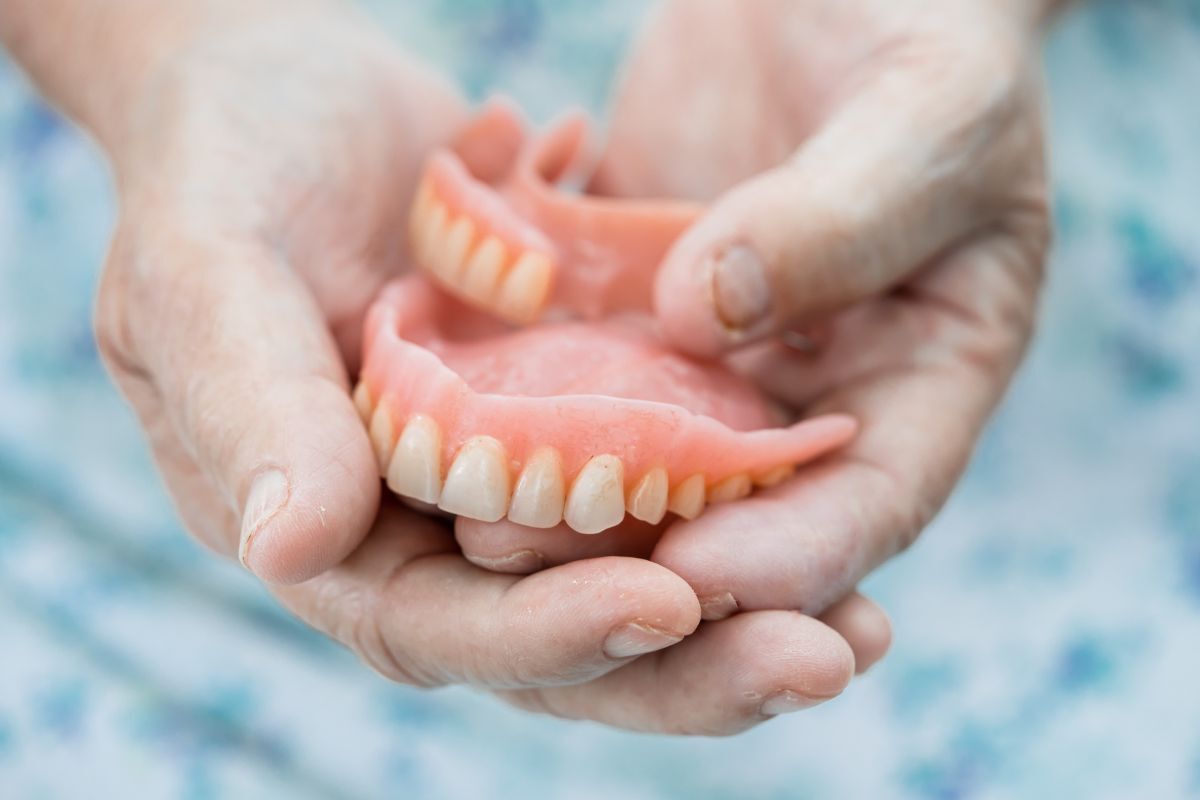


If you’ve relied on dentures for years, you may have accepted loose-fitting appliances, sore gums, or avoiding certain foods as part of everyday life. It’s also common to wonder whether you’ve waited too long to consider dental implants. For many people exploring All-on-4 dental implants in Phoenix, the biggest question isn’t whether they want a permanent smile—it’s whether they’re still a candidate after years of wearing dentures.
The encouraging news is that wearing dentures for a long time doesn’t automatically rule out implant treatment. Thanks to modern surgical techniques and advanced treatment planning, many patients are surprised to learn they still have options.
Why Long-Term Denture Wear Can Change Your Jawbone
Dentures replace missing teeth, but they don’t replace tooth roots. Once natural teeth are gone, the jawbone no longer receives the stimulation created during chewing. Over time, the bone gradually shrinks in a natural process called resorption.
This bone loss can lead to several changes, including:
- Dentures that become loose over time
- Difficulty chewing tougher foods
- Changes in facial appearance
- More frequent denture adjustments
- Less confidence while speaking or smiling
Many people assume this means implants are no longer possible. Fortunately, that’s often not the case.
What Makes All-on-4 Different?
Unlike traditional dentures, All-on-4 uses four strategically positioned dental implants to support an entire arch of replacement teeth.
The unique placement of these implants allows oral surgeons to maximize available bone, which is one reason this treatment has become such a popular option for long-time denture wearers.
In many cases, patients who were once told they didn’t have enough bone for traditional implants may still qualify for All-on-4.
Can You Still Be a Candidate?
In Many Cases, Yes.
One of the biggest misconceptions about dental implants is that years of wearing dentures automatically eliminate your chances.
In reality, candidacy depends on several factors, including:
- Your current jawbone condition
- Overall oral health
- Medical history
- Gum health
- Lifestyle habits
- Treatment goals
During consultations with patients seeking care in Phoenix, AZ, oral surgeons often find that advanced imaging provides a much clearer picture than patients expect. Even when bone loss is present, there may still be effective treatment options available.
What Happens During Your Consultation?
Every smile is different, so treatment begins with a comprehensive evaluation.
Your appointment typically includes:
Digital 3D Imaging
Detailed scans allow your oral surgeon to evaluate bone volume, bone density, and the ideal implant positions.
Oral Examination
Your gums, remaining teeth (if any), bite, and overall oral health are carefully assessed.

Personalized Treatment Planning
Instead of using a one-size-fits-all approach, your surgeon creates a treatment plan designed specifically for your anatomy and long-term goals.
For patients interested in learning more about All-on-4 dental implants, this consultation is the best way to determine whether the procedure is right for them.
What If You’ve Lost a Significant Amount of Bone?
Bone loss is one of the most common concerns among people who have worn dentures for many years.
Fortunately, All-on-4 was developed specifically to help many patients avoid extensive bone grafting by placing the back implants at carefully planned angles.
However, every case is unique. Depending on your oral health, your surgeon may recommend:
- Bone grafting
- Additional imaging
- Alternative implant techniques
- A customized surgical approach
A detailed examination is the only way to know which option will provide the best long-term outcome.
Benefits of Replacing Dentures with All-on-4
Patients often choose All-on-4 because it offers advantages that removable dentures simply can’t provide.
Some of the most noticeable benefits include:
Greater Stability
Your replacement teeth remain securely attached without slipping while eating or speaking.
Better Chewing Function
Many patients enjoy foods they had previously avoided because of unstable dentures.
Improved Confidence
A fixed smile can make conversations, photos, and social gatherings feel much more comfortable.
Natural Appearance
The restoration is custom designed to complement your facial features while supporting your lips and cheeks.
Easier Daily Routine
There’s no need for denture adhesive or removing your teeth every night.
Is Age a Concern?
Not necessarily.
Healthy adults in their 60s, 70s, and even 80s successfully receive dental implants every year.
Rather than focusing on age alone, oral surgeons evaluate overall health, healing ability, and bone quality to determine whether implant treatment is appropriate.
How Long Does All-on-4 Last?
With good oral hygiene and regular professional care, dental implants can provide long-lasting support for replacement teeth.
According to the American Dental Association, dental implants have demonstrated high long-term success rates when patients maintain healthy gums and follow recommended dental care.
Don’t Assume Years of Dentures Mean You’ve Missed Your Chance
Many people spend years believing removable dentures are their only option. The reality is that advances in implant dentistry have helped thousands of long-term denture wearers regain a secure, functional smile.
If you’re considering All-on-4 dental implants, scheduling a personalized evaluation is the best way to understand your options. Oral & Facial Surgeons of Arizona provides comprehensive evaluations for patients seeking long-lasting tooth replacement solutions in Phoenix and surrounding communities.
To schedule a consultation, call (602) 899-8127 and learn whether All-on-4 could be the next step toward a more comfortable and confident smile.
Frequently Asked Questions
1. Can I get All-on-4 after wearing dentures for 20 years?
Yes. Many long-term denture wearers still qualify for All-on-4. A 3D evaluation helps determine whether your jawbone can support implants or if additional treatment is recommended.
2. Does wearing dentures always cause bone loss?
Some degree of bone loss is common after teeth are lost because the jawbone no longer receives stimulation from tooth roots. The amount varies from person to person.
3. Will I need bone grafting before All-on-4?
Not always. One advantage of All-on-4 is that it often allows implants to be placed in available bone without extensive grafting, although every patient requires an individual evaluation.
4. Is All-on-4 better than removable dentures?
Many patients prefer All-on-4 because the replacement teeth are fixed in place, providing greater stability, improved chewing ability, and increased confidence.
5. How do I know if I’m a candidate?
The best way is through a consultation that includes digital imaging and a clinical examination. Your oral surgeon can recommend the most appropriate treatment based on your oral health and goals.