

For people suffering from sleep apnea, restful sleep is often elusive, and the impacts on health can be severe. While treatments like CPAP machines are common, some individuals need a more permanent solution. For those with structural issues contributing to sleep apnea, corrective jaw surgery offers a way to open the airway and significantly reduce symptoms.
Understanding Sleep Apnea and Its Causes
Sleep apnea is a sleep disorder where breathing repeatedly stops and starts during sleep. The most common type, obstructive sleep apnea (OSA), occurs when muscles in the back of the throat fail to keep the airway open. These repeated interruptions in breathing lower blood oxygen levels, causing individuals to wake briefly throughout the night. Over time, untreated sleep apnea can lead to serious health issues, including high blood pressure, heart disease, and daytime fatigue.
While obesity and lifestyle factors are common contributors to sleep apnea, anatomical structures, like the position of the jaw, can also play a role. When a patient’s jaw sits too far back, it can push against the airway, making it narrower and more likely to collapse during sleep. In such cases, corrective jaw surgery becomes an effective solution by moving the jaw forward to widen the airway and promote uninterrupted breathing.
What is Corrective Jaw Surgery?
Corrective jaw surgery, also known as orthognathic surgery, is a surgical procedure that repositions the upper and lower jaws to align better with each other. When used as a treatment for sleep apnea, the surgery focuses on moving the lower jaw (mandible) or both jaws forward, increasing the space in the airway and making it easier to breathe. By working with an experienced oral surgeon, patients can ensure their procedure is customized for both improved breathing and aesthetics.
This type of surgery not only reduces the symptoms of sleep apnea but can also address related issues like improper bite alignment, TMJ disorders, and even certain facial asymmetries.
How Does Corrective Jaw Surgery Help Sleep Apnea?
By moving the jaw structure forward, corrective jaw surgery opens the upper airway, reducing or even eliminating obstructions. This more open airway can prevent the collapse that triggers episodes of sleep apnea. Following the surgery, patients often experience better sleep quality, lower blood pressure, and improved overall health.
The benefits of this surgery are particularly impactful for those who may not have responded well to other sleep apnea treatments, such as CPAP machines or lifestyle changes. For patients who have difficulty tolerating CPAP, orthognathic surgery offers a permanent, structural correction that addresses the root cause of the airway obstruction.
What to Expect from Corrective Jaw Surgery
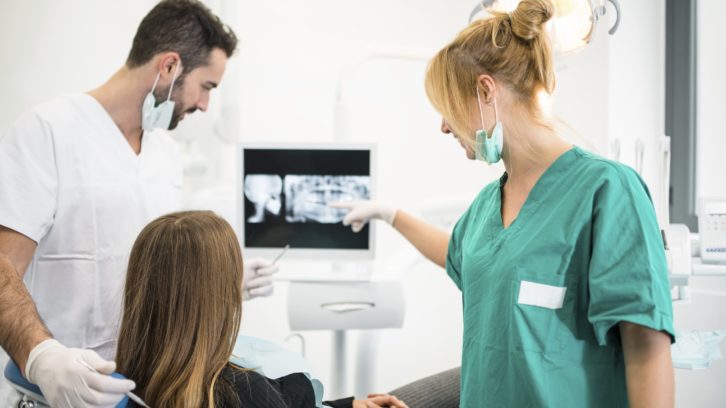
Corrective jaw surgery is a carefully planned procedure. When you visit our nearest dental office, our team will likely begin with a thorough evaluation, including X-rays, 3D imaging, and sometimes molds of your teeth and jaw. This allows the surgical team to create a precise surgical plan tailored to your needs. The surgery typically involves a hospital stay, and full recovery can take a few weeks. However, many patients find that the long-term health benefits far outweigh the temporary discomfort.
Patients in Phoenix, AZ, or Tempe, AZ, can take comfort in knowing that Oral & Facial Surgeons of Arizona are well-versed in both the medical and cosmetic aspects of corrective jaw surgery. We ensure the highest standards of patient care, from pre-surgery planning to post-operative recovery.
The Recovery Process
Following orthognathic surgery, most patients can expect some swelling, bruising, and minor discomfort. While full recovery may take a few months, most patients are back to normal activities within six weeks. Adhering to aftercare instructions is crucial, including dietary adjustments, avoiding strenuous activities, and attending follow-up appointments.
During recovery, patients often report not only an improvement in sleep apnea symptoms but also a better quality of life due to the newfound ability to breathe more easily and sleep more soundly.
Finding the Right Oral Surgeon for Corrective Jaw Surgery
If you’re struggling with sleep apnea and are interested in learning how corrective jaw surgery could help, it’s essential to choose a skilled oral surgeon. Oral & Facial Surgeons of Arizona specialize in orthognathic surgery and have a track record of success in treating sleep apnea. By addressing the structural causes of airway obstruction, they help patients achieve lasting relief, better sleep, and improved health.
Choosing corrective jaw surgery isn’t just about addressing sleep apnea; it’s a step toward a healthier, more energetic life. If you’re ready to reclaim restful sleep, reach out to our office in Phoenix and Tempe, AZ to explore this transformative solution with a highly trained team by your side.