

Facing a facial injury or trauma can be a daunting experience, impacting not only physical health but also emotional well-being and social interactions. Whether it’s from an accident, medical procedure, or other causes, the journey to recovery can be challenging.
However, with the right support system and awareness, it’s possible to navigate through this difficult time and emerge stronger. In this blog post, we’ll delve into strategies for recovering from facial injury while emphasizing the importance of social support.
Understanding the Impact

The face is not just a physical aspect of our identity; it’s deeply intertwined with our sense of self and how we perceive others. A facial injury can shatter confidence, disrupt daily life, and evoke feelings of insecurity and self-consciousness.
The psychological toll of such an injury should not be underestimated. It’s common for individuals to experience anxiety, depression, and even post-traumatic stress disorder (PTSD) following a facial trauma.
Seeking Professional Help
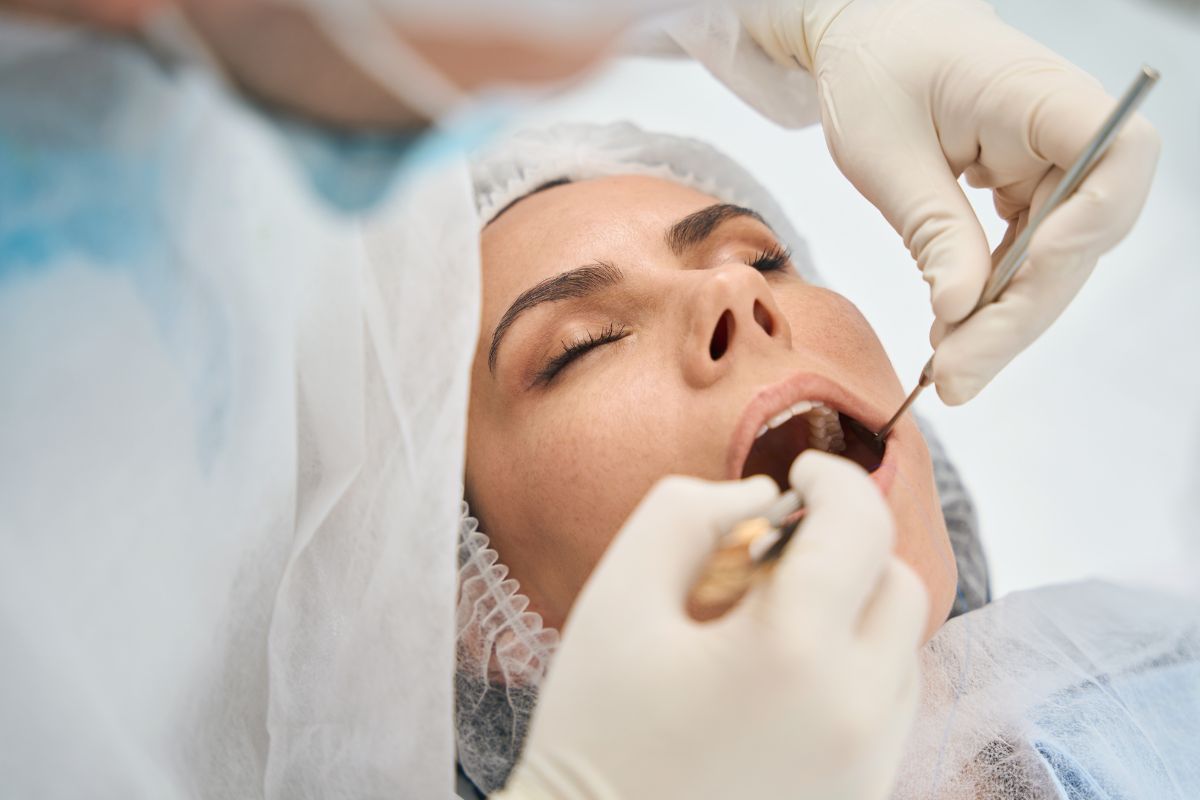
The journey to recovery begins with seeking professional medical help. It’s essential to consult with healthcare professionals who specialize in facial injuries, such as plastic surgeons, maxillofacial surgeons, or dermatologists, depending on the nature of the injury. They can provide personalized treatment plans tailored to your specific needs, whether it involves surgical intervention, rehabilitation, or cosmetic procedures.
Embracing Self-Care
Self-care plays a crucial role in the recovery process. This includes following medical advice, practicing good hygiene, and taking steps to promote physical and emotional well-being. Engage in activities that promote relaxation and reduce stress, such as meditation, yoga, or spending time in nature. Nourish your body with nutritious food, stay hydrated, and prioritize adequate sleep. Remember to be patient with yourself; healing takes time, and it’s okay to ask for help when needed.
Harnessing the Power of Social Support
One of the most potent resources in overcoming a facial injury is social support. Surround yourself with understanding friends, family members, and healthcare professionals who can provide empathy, encouragement, and practical assistance. Open up about your feelings and concerns; don’t hesitate to lean on others for support. Joining support groups or online communities for individuals recovering from facial injuries can also provide a sense of belonging and validation.
Redefining Beauty and Self-Worth
A facial injury can challenge conventional notions of beauty and self-worth. It’s essential to recognize that beauty extends beyond physical appearance and that true worth comes from within. Focus on cultivating qualities such as resilience, compassion, and inner strength. Shift your perspective from what you look like to who you are as a person. Surround yourself with positive influences that reinforce these values and remind you of your inherent worth.
Navigating Social Interactions
Social interactions may feel daunting after a facial injury, especially if you’re self-conscious about your appearance. However, it’s essential to maintain connections with others and not let fear hold you back.
Communicate openly with friends and loved ones about your concerns, and let them know how they can support you during social gatherings. Practice self-compassion and remind yourself that people’s judgments are often based on their own insecurities rather than reality.
Advocating for Awareness and Acceptance
As you navigate your journey of recovery, consider advocating for greater awareness and acceptance of facial injuries within society. Challenge stereotypes and stigmas surrounding facial disfigurement by sharing your story and promoting empathy and understanding. Encourage others to embrace diversity and celebrate the uniqueness of every individual, regardless of appearance. By raising awareness, you contribute to creating a more inclusive and compassionate society.
Conclusion
Recovering from a facial injury or trauma requires resilience, patience, and support. By prioritizing self-care, seeking professional help, and harnessing the power of social support, you can navigate through this challenging time and emerge stronger than ever. Remember that healing is a holistic process that encompasses physical, emotional, and social aspects.
Embrace your journey, redefine beauty on your own terms, and advocate for greater awareness and acceptance within society. Together, we can foster a culture of compassion and inclusivity where everyone feels valued and supported, regardless of appearance.