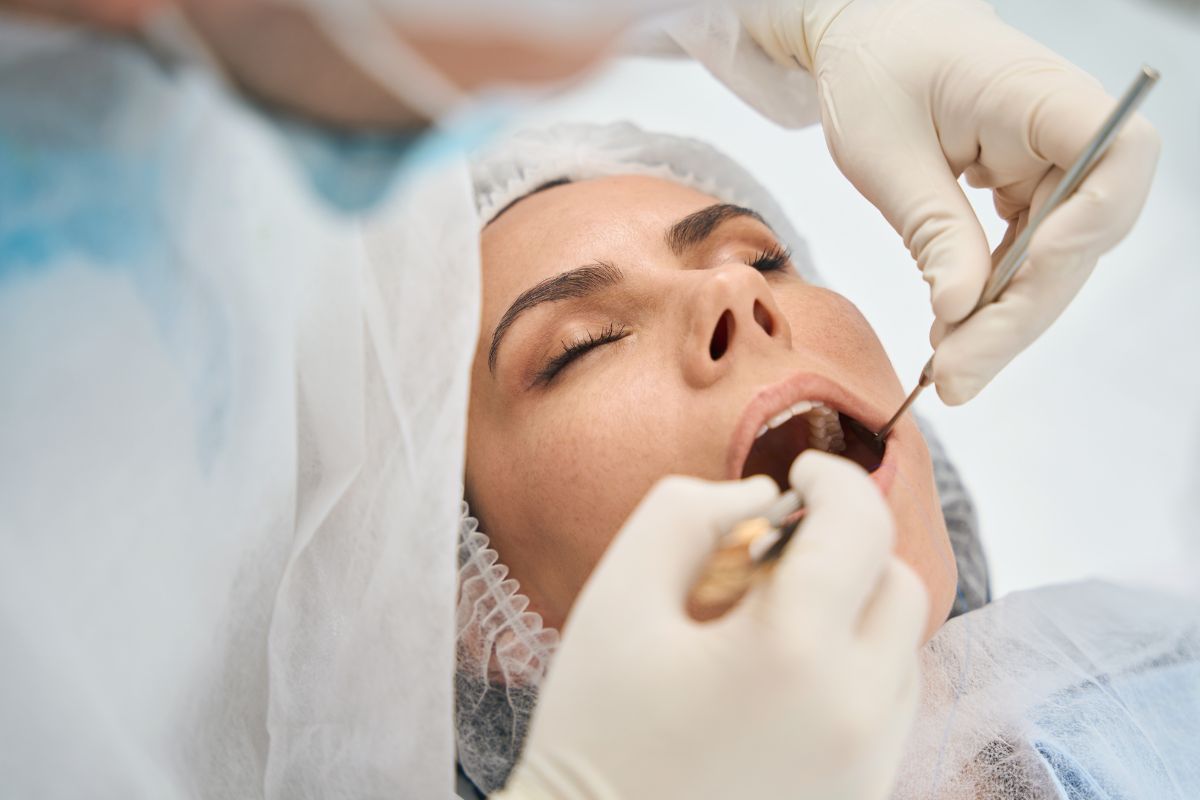

Dental care has evolved significantly over the past few decades, with 2024 marking a year of groundbreaking advancements in the field. From artificial intelligence (AI) integration to regenerative dentistry, these innovations promise to enhance patient outcomes, improve procedural efficiency, and expand the capabilities of dental practitioners.
This article delves into the most innovative dental treatments of 2024, exploring their impacts, benefits, and the future of dental care.
AI and Machine Learning in Dentistry
AI-Assisted Diagnostics
Artificial intelligence has become a game-changer in various medical fields, and dentistry is no exception. In 2024, AI-driven diagnostic tools have been widely adopted, enabling more accurate and faster detection of dental issues. These systems use machine learning algorithms to analyze dental images, such as X-rays and CT scans, identifying cavities, periodontal diseases, and even early signs of oral cancers with remarkable precision.
Statistics and Impact
- Accuracy: AI diagnostics have demonstrated up to 95% accuracy in detecting dental pathologies, significantly higher than traditional methods.
- Efficiency: Diagnostic times have been reduced by approximately 30%, allowing for quicker treatment planning and intervention.
Personalized Treatment Plans
Machine learning models are also being utilized to develop personalized treatment plans. By analyzing a patient’s dental history, genetic factors, and lifestyle, AI can suggest customized preventive measures and treatment strategies. This tailored approach not only improves patient outcomes but also enhances patient satisfaction and compliance.
Regenerative Dentistry
Stem Cell Therapy
Regenerative dentistry has made significant strides with the advent of stem cell therapy. This innovative treatment involves using stem cells to regenerate dental tissues, such as dentin, pulp, and even entire teeth. Stem cells can be harvested from a patient’s own body or from other sources and then cultured to develop the required dental structures.
Statistics and Impact
- Success Rates: Clinical trials have shown an 80% success rate in regenerating dental pulp using stem cells.
- Patient Outcomes: Patients undergoing stem cell therapy have reported higher satisfaction due to the natural restoration of their dental tissues.
Platelet-Rich Plasma (PRP) Therapy
PRP therapy is another promising regenerative treatment. It involves using a concentration of the patient’s own platelets to accelerate the healing of dental and periodontal tissues. PRP is rich in growth factors that stimulate tissue regeneration and repair, making it particularly effective for procedures like gum grafting and implant placements.
3D Printing and Digital Dentistry
Customized Implants and Prosthetics
3D printing technology has revolutionized the creation of dental implants and prosthetics. Dentists can now design and print customized implants, crowns, bridges, and dentures that fit perfectly and offer superior aesthetic and functional results. This technology reduces the time and cost associated with traditional manufacturing processes.
Statistics and Impact
- Time Efficiency: The production time for dental prosthetics has been reduced by up to 50% using 3D printing.
- Cost Reduction: 3D-printed dental devices are generally 30% cheaper than those made with conventional methods.
Intraoral Scanners and CAD/CAM Technology
Computer-Aided Design and Computer-Aided Manufacturing (CAD/CAM) systems, coupled with intraoral scanners, have streamlined the entire workflow of dental restorations. These technologies enable dentists to take precise digital impressions of a patient’s mouth, design restorations on a computer, and then fabricate them using milling machines or 3D printers.
Minimally Invasive Dentistry
Laser Dentistry
Laser technology has become an integral part of minimally invasive dental procedures. Lasers are used for a variety of treatments, including cavity removal, gum reshaping, and teeth whitening. They offer several advantages over traditional methods, such as reduced pain, minimized bleeding, and faster healing times.
Statistics and Impact
- Patient Comfort: Surveys indicate that 85% of patients prefer laser treatments over traditional methods due to the reduced discomfort.
- Healing Time: Laser treatments can reduce healing times by up to 40%.
Air Abrasion
Air abrasion is another minimally invasive technique that uses a stream of fine particles to remove tooth decay and prepare cavities for fillings. This method is particularly beneficial for small cavities and early-stage decay, as it preserves more of the healthy tooth structure compared to traditional drilling.
Teledentistry
Remote Consultations and Monitoring
The COVID-19 pandemic accelerated the adoption of telehealth services, including teledentistry. In 2024, teledentistry continues to grow, allowing patients to consult with their dentists remotely through video calls and digital platforms. This is particularly beneficial for routine check-ups, follow-up appointments, and consultations for minor dental issues.
Statistics and Impact
- Accessibility: Teledentistry has increased access to dental care by 25%, particularly in rural and underserved areas.
- Patient Satisfaction: 90% of patients report high satisfaction with the convenience and efficiency of teledentistry services.
AI-Powered Oral Health Monitoring
AI-powered apps and devices for oral health monitoring are becoming increasingly popular. These tools allow patients to track their oral hygiene habits, receive reminders for brushing and flossing, and even detect potential issues through smartphone cameras and sensors. Dentists can access this data remotely, providing timely advice and interventions.
Conclusion
The year 2024 marks a transformative period in dental care, with innovative treatments and technologies reshaping the field. AI and machine learning have enhanced diagnostic accuracy and personalized treatment plans, while regenerative dentistry offers the promise of natural dental restoration. 3D printing and digital dentistry have streamlined the production of dental prosthetics, making them more efficient and cost-effective. Minimally invasive techniques, such as laser dentistry and air abrasion, have improved patient comfort and outcomes. Lastly, teledentistry has expanded access to dental care, bringing convenience and efficiency to patients worldwide.
As these technologies continue to evolve, the future of dental care looks promising, with ongoing advancements poised to further enhance patient care and revolutionize the way dental services are delivered.