

Persistent jaw pain, difficulty chewing, or a bite that never seems to feel comfortable aren’t issues you should simply learn to live with. Many people spend years adapting to these problems without realizing they may be caused by an underlying jaw alignment issue rather than their teeth alone.
At Oral & Facial Surgeons of Arizona, patients visit our Phoenix and Tempe offices for evaluations when jaw discomfort begins interfering with daily activities. One of the most common questions they ask is about the signs you need corrective jaw surgery and whether surgery is the right solution for their condition.
While not every jaw problem requires surgery, certain structural issues cannot be corrected with orthodontic treatment alone. Understanding the warning signs can help you know when it’s time to seek a professional evaluation.
What Is Corrective Jaw Surgery?
Corrective jaw surgery, also known as orthognathic surgery, is performed to reposition the upper jaw, lower jaw, or both when they don’t align properly.
The goal isn’t simply improving appearance. Corrective jaw surgery is often recommended to improve:
- Bite function
- Chewing efficiency
- Speech
- Jaw stability
- Breathing in certain cases
- Long-term oral health
Because every patient’s anatomy is different, treatment is carefully planned using advanced digital imaging and collaboration between your oral surgeon and orthodontist when necessary.
7 Signs You May Need Corrective Jaw Surgery
1. You Have Difficulty Chewing Certain Foods
One of the earliest warning signs is difficulty biting or chewing food comfortably.
If your upper and lower teeth don’t meet properly, everyday meals can become frustrating. Some people avoid tougher foods altogether because chewing feels uneven or uncomfortable.
Over time, poor bite function can place excessive stress on certain teeth and jaw joints.
2. Your Bite Doesn’t Line Up Properly
A healthy bite allows your teeth to come together evenly.
You may benefit from an evaluation if you have:
- An underbite
- An overbite
- An open bite
- A crossbite
- Teeth that don’t touch correctly when your mouth is closed
In many situations, orthodontic treatment alone cannot fully correct significant jaw discrepancies.
3. Chronic Jaw Pain or TMJ Symptoms
Frequent jaw pain isn’t always caused by temporomandibular joint (TMJ) disorders alone.
Misaligned jaws may contribute to:
- Jaw soreness
- Clicking or popping sounds
- Facial muscle fatigue
- Limited jaw movement
- Pain while chewing
Although surgery isn’t recommended for every TMJ condition, jaw alignment is an important factor your oral surgeon will evaluate during your consultation.
4. Your Face Appears Asymmetrical
Some patients first notice that one side of their face appears different from the other.
Jaw imbalance can affect:
- Chin position
- Facial proportions
- Jawline appearance
- Overall facial symmetry
While cosmetic concerns alone don’t always require surgery, facial asymmetry combined with bite problems or functional issues may indicate an underlying skeletal imbalance.
5. You Frequently Bite Your Cheeks or Tongue
Accidentally biting the inside of your cheeks or tongue on a regular basis isn’t normal.
This often happens when the jaws don’t align correctly during chewing or speaking.
Although minor bite issues may be corrected with orthodontics, more significant skeletal problems sometimes require corrective jaw surgery to achieve proper alignment.
6. Speech Is Affected by Jaw Position
Jaw alignment plays an important role in speech.
Some patients experience difficulty pronouncing certain sounds because the jaws don’t meet properly.
While speech therapy may help in some situations, structural jaw problems sometimes require surgical correction as part of a comprehensive treatment plan.
7. Orthodontic Treatment Alone Hasn’t Solved the Problem
Braces and clear aligners are highly effective for moving teeth.
However, they cannot reposition the upper or lower jaw.
If you’ve completed orthodontic treatment but still struggle with bite problems, difficulty chewing, or jaw discomfort, your orthodontist may recommend an evaluation by an oral and maxillofacial surgeon.
What Causes Jaw Misalignment?
Jaw alignment problems can develop for several reasons.
Some are present from birth, while others develop during growth or after injury.
Common causes include:
- Genetics
- Developmental differences
- Facial trauma
- Birth defects
- Previous jaw injuries
- Uneven jaw growth
Because every case is unique, determining the underlying cause is an essential part of treatment planning.
How Is Corrective Jaw Surgery Diagnosed?

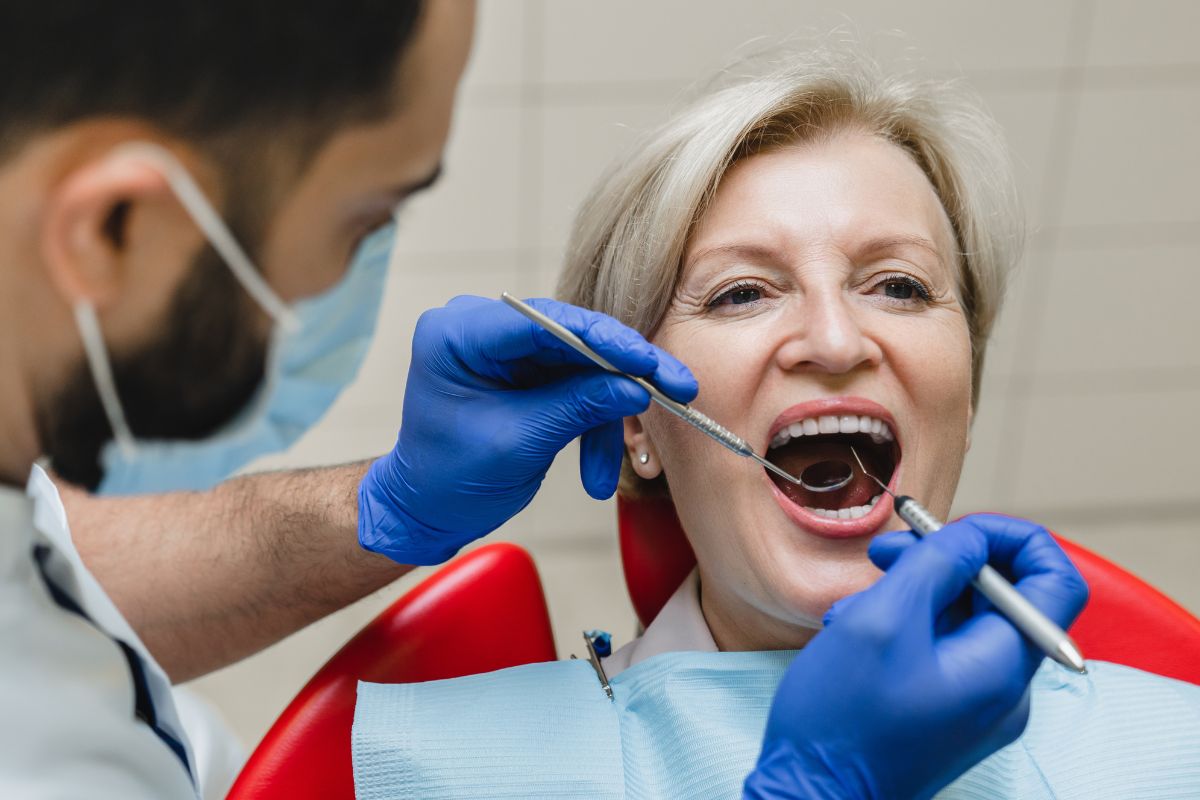
Before recommending surgery, your oral surgeon performs a comprehensive evaluation to understand how your jaws function and whether surgery is truly necessary.
This typically includes:
Digital 3D Imaging
Advanced CBCT scans provide highly detailed images of the jaws, facial bones, and surrounding structures.
Bite Analysis
Your surgeon evaluates how your upper and lower teeth come together and identifies any functional problems affecting chewing or jaw movement.
Personalized Treatment Planning
Every treatment plan is tailored to your specific anatomy, symptoms, and long-term goals. If you’re exploring treatment options, visit our website to learn more about our oral and maxillofacial surgery services available at both our Phoenix and Tempe locations.
Can Braces Correct Every Jaw Problem?
Braces and clear aligners are excellent tools for straightening teeth, but they don’t change the position of the upper or lower jaw.
If the underlying problem is skeletal rather than dental, orthodontic treatment alone may not provide the desired results. In these situations, your orthodontist may recommend working with an oral and maxillofacial surgeon to determine whether surgery is needed to improve jaw function and bite alignment.
A combined orthodontic and surgical approach is often recommended for patients with:
- Moderate to severe underbites
- Significant overbites
- Open bites
- Facial asymmetry caused by jaw position
- Jaw discrepancies affecting speech or chewing
The goal is to correct the underlying cause—not just the visible symptoms.
What Are the Benefits of Corrective Jaw Surgery?
When jaw surgery is recommended for the right reasons, the benefits often extend well beyond improving the way your bite looks.
Many patients experience improvements in:
Chewing Function
Proper jaw alignment allows the teeth to meet more evenly, making it easier to chew a wider variety of foods comfortably.
Speech
Correcting jaw position may improve speech clarity for patients whose jaw alignment affects pronunciation.
Jaw Comfort
Reducing excessive stress on the jaw joints and surrounding muscles may help relieve discomfort associated with certain bite problems.
Facial Balance
Although corrective jaw surgery is primarily performed to improve function, repositioning the jaws can also create better facial balance when skeletal asymmetry is present.
Long-Term Oral Health
A properly aligned bite helps distribute chewing forces more evenly, which may reduce unnecessary wear on teeth and improve long-term oral function.
What Is Recovery Like After Corrective Jaw Surgery?
Recovery varies depending on the complexity of the procedure and whether one or both jaws are treated.
Most patients can expect:
- Swelling during the first several days
- Temporary dietary modifications
- Regular follow-up appointments
- Gradual improvement in comfort as healing progresses
- A customized recovery plan based on their procedure
Your surgical team will provide detailed instructions to support healing and help you return to normal activities as safely as possible.
Myth vs. Fact
Myth: Corrective jaw surgery is only done for cosmetic reasons.
Fact: The primary purpose of corrective jaw surgery is to improve jaw function, bite alignment, and overall oral health. While facial appearance may also change, functional improvement is typically the main goal.
Myth: Every person with an overbite needs surgery.
Fact: Many bite issues can be successfully treated with orthodontics alone. Surgery is generally recommended only when the jaw position—not just the teeth—is causing functional problems.
Myth: Jaw pain always means you need surgery.
Fact: Jaw pain can have many different causes. A comprehensive evaluation helps determine whether symptoms are related to jaw alignment or another condition that may require a different treatment approach.
When Should You Schedule an Evaluation?
Jaw alignment problems can affect much more than your appearance. Difficulty chewing, chronic jaw pain, bite problems, or facial asymmetry may all indicate an underlying condition that deserves a professional evaluation. Because every patient is different, the only way to determine whether corrective jaw surgery is appropriate is through a comprehensive examination, advanced imaging, and a personalized treatment plan.
Addressing jaw concerns early can help prevent additional wear on your teeth, reduce unnecessary strain on your jaw joints, and improve long-term oral function.
Schedule a Consultation
If you’re experiencing ongoing jaw pain, difficulty chewing, bite alignment issues, or other symptoms that may indicate the need for corrective jaw surgery, now is the time to schedule a professional evaluation. We have two convenient office locations to serve you, and you’re welcome to contact the location that’s most convenient for your needs.
Phoenix Office: [16028998127]
Tempe Office: [16029009874]
Frequently Asked Questions
1. How do I know if I need corrective jaw surgery or braces?
Braces move teeth, while corrective jaw surgery repositions the jawbones. If your bite problems are caused by skeletal misalignment rather than tooth position, surgery may be recommended as part of your treatment plan.
2. Is corrective jaw surgery painful?
The procedure is performed under general anesthesia, so you won’t feel pain during surgery. Some swelling and discomfort are expected afterward, but these symptoms can typically be managed with medication and by following your surgeon’s post-operative instructions.
3. Can adults have corrective jaw surgery?
Yes. Many adults undergo corrective jaw surgery after jaw growth is complete. Your oral surgeon will evaluate your condition, overall health, and treatment goals to determine whether you’re a candidate.
4. Will I need braces before or after surgery?
Many patients receive orthodontic treatment before surgery, and some continue treatment afterward to fine-tune their bite. Your orthodontist and oral surgeon will work together to coordinate your care.
5. How long does recovery from corrective jaw surgery take?
Recovery varies depending on the complexity of the procedure and your individual healing process. Your surgeon will provide a personalized recovery timeline and guide you through each stage of healing.