

When it comes to tooth extraction, there’s more to the story than just removing the tooth. Often, patients are surprised to learn that bone grafting is a common step after an extraction, especially if they’re planning to get a dental implant in the future. This additional procedure ensures the jaw remains strong and capable of supporting replacement teeth, making it crucial for both health and aesthetics. For patients in Phoenix, AZ and Tempe, AZ, Oral & Facial Surgeons of Arizona provide specialized guidance on the need for bone grafting and how it benefits long-term oral health.
What is Bone Grafting?
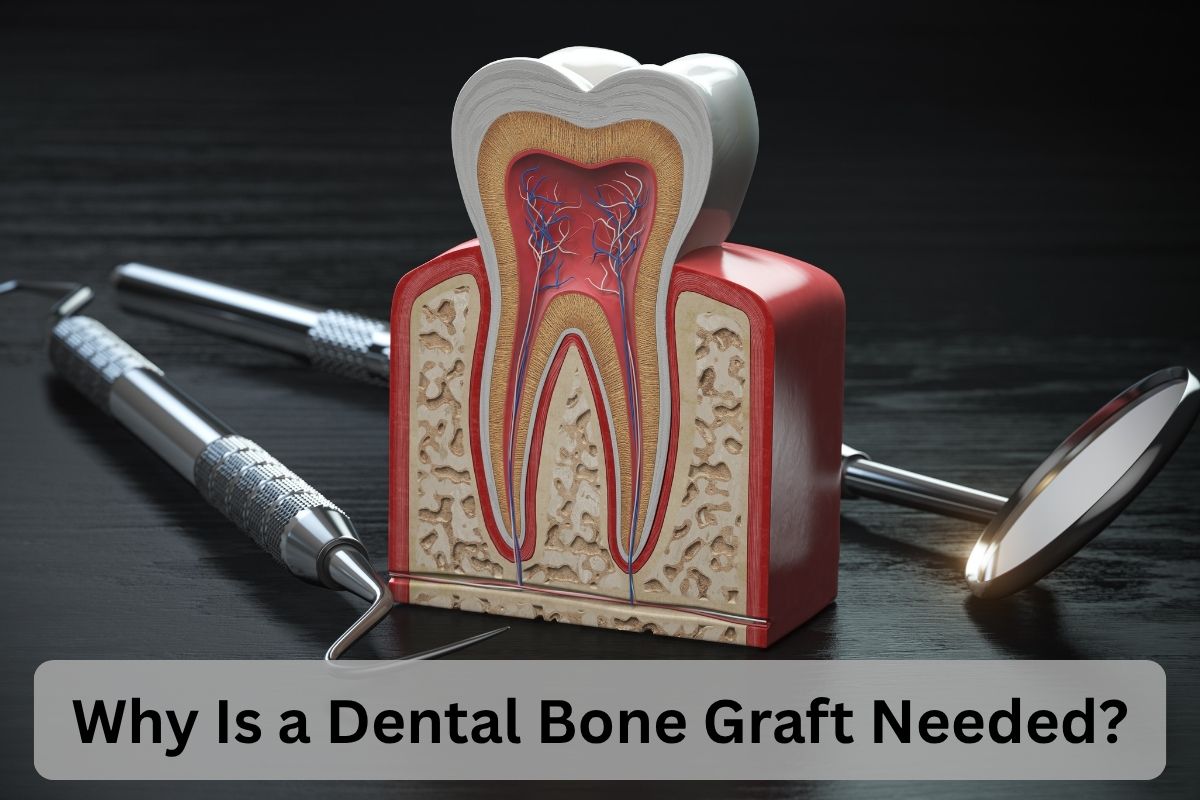
Bone grafting is a surgical procedure that adds bone material to areas where bone loss has occurred or is likely to happen. When a tooth is extracted, the jawbone in that area begins to lose density and volume because it no longer receives the stimulation provided by the tooth’s root. Over time, this loss of bone can lead to structural changes in the face and make it difficult to place dental implants.
Bone grafting involves placing a small amount of bone material, often from the patient’s own body, a donor source, or a synthetic material, into the area of the extraction site. This graft serves as a foundation, encouraging natural bone growth and helping to preserve the jaw’s shape and strength.
Why is Bone Grafting Necessary After Tooth Extraction?
When a tooth is extracted, the lack of root stimulation can cause the jawbone to deteriorate. The bone begins to shrink or “resorb,” which may not only alter the appearance of your face but also limit your options for future dental implants. A weakened jawbone may lack the density required to hold an implant, a common concern for those hoping to restore a missing tooth with a strong, permanent solution.
Bone grafting helps prevent these issues by preserving the jawbone’s structure and density. It’s particularly recommended when patients plan to replace the extracted tooth with an implant, as the graft will ensure that the bone is sturdy enough to support the implant securely.
How Does Bone Grafting Benefit Dental Implants?
A dental implant is designed to mimic a natural tooth root and requires a solid foundation in the jawbone to anchor it in place. Without adequate bone volume, placing an implant becomes challenging, if not impossible, because the implant won’t have enough support to hold it stable. This is where bone grafting comes in—it strengthens the jawbone, providing a solid base for the implant and ensuring the best possible outcome.
Patients in Phoenix, AZ and Tempe, AZ interested in getting dental implants after a tooth extraction should consider bone grafting as an essential step in the process. Working with skilled oral surgeons at Oral & Facial Surgeons of Arizona will ensure that you receive the appropriate grafting material and technique for optimal implant success.
Anesthetic Options for Bone Grafting
Many patients worry about discomfort during bone grafting, but anesthetic options are available to keep you comfortable. Local anesthesia numbs the treatment area, while other forms, like IV sedation, offer a deeper level of relaxation. If you experience anxiety or want a stress-free experience, discuss these anesthetic options with us to find the best fit for your needs.
What to Expect During Recovery
Recovery from bone grafting is typically smooth, with most patients experiencing only mild discomfort, which can be managed with over-the-counter pain medications. Swelling and minor bruising are normal and should subside within a week. We will provide aftercare instructions, including diet recommendations, activity restrictions, and follow-up appointments to monitor the healing process.
It can take several months for the graft to fully integrate with the existing bone, but this time is crucial to ensure that the bone is strong enough for a dental implant. Once healed, the grafted bone creates a robust foundation, allowing you to proceed with the implant placement with confidence.
Final Thoughts
Bone grafting may seem like an extra step after a tooth extraction, but it’s a crucial one for those considering dental implants. By preserving the jawbone structure, bone grafting protects your facial appearance, prevents future complications, and ensures a strong foundation for replacement teeth.
If you’re ready to discuss bone grafting and anesthetic options for a comfortable experience, reach out to Oral & Facial Surgeons of Arizona to schedule a consultation and take the next step toward a healthier, restored smile.