

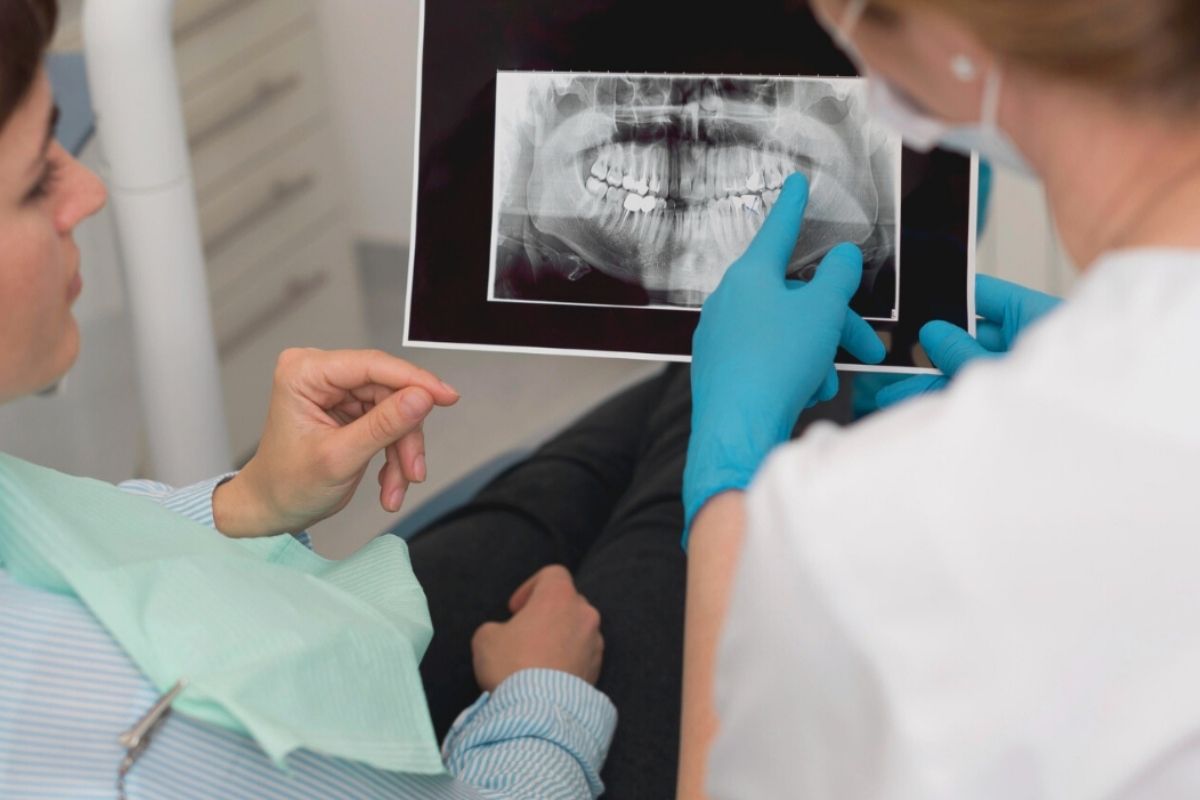
Wisdom teeth, often known as third molars, are notorious for causing dental issues for many individuals. These teeth typically emerge between the ages of 17 and 25, and their arrival can bring discomfort and complications. One of the most effective ways to diagnose problems associated with wisdom teeth is through X-rays. This diagnostic tool is invaluable for understanding the position and health of these teeth, guiding treatment decisions, and ensuring optimal dental care.
Understanding Wisdom Teeth Issues
Wisdom teeth can pose various problems, primarily due to a lack of space in the jaw. As these teeth attempt to emerge, they may become impacted – meaning they cannot fully erupt through the gums. Impacted wisdom teeth can cause pain, infection, and damage to adjacent teeth, leading to more extensive dental issues if left untreated. Recognizing these problems is essential for maintaining oral health, and that is where X-rays come into play.
The Role of X-Rays in Diagnosis
Visualizing Tooth Position
X-rays provide a clear view of the positioning of wisdom teeth within the jaw. Dentists can determine whether the teeth are impacted, partially erupted, or fully erupted. Understanding the exact position is crucial in deciding the best course of action. Without X-rays, diagnosing the condition of wisdom teeth can be challenging, and potential issues may go unnoticed.
Evaluating Surrounding Structures
In addition to revealing the position of wisdom teeth, X-rays allow dentists to examine the surrounding bone and tissue structures. This examination is essential for assessing bone density and the health of nearby teeth. If the bone is weak or compromised, it could pose challenges during extraction. X-rays provide valuable insights that help dentists make informed decisions about the extraction process.
Detecting Pathologies
Impacted wisdom teeth may occasionally cause the development of cysts or tumors. These issues may remain hidden during a standard dental check-up but can be identified using X-rays. Early detection of such issues is vital in preventing further complications, including infection or damage to adjacent teeth.
Facilitating Treatment Planning
When extraction is necessary, X-rays play a crucial role in the treatment planning process. By examining X-ray images, dentists can strategize the extraction method, determining the most effective approach for each case. This careful planning can minimize the risk of complications during the procedure, such as nerve damage or excessive bleeding.
Types of X-Rays Used
Dentists may use various types of X-rays to evaluate wisdom teeth effectively:
Panoramic X-rays: This provides a broad view of the entire mouth, including all teeth and jaw structures. It is useful for visualizing the positioning of wisdom teeth and determining the need for extraction.
Periapical X-rays: This focuses on specific teeth or areas, offering detailed images of the roots and surrounding bone structure. They are useful for thoroughly assessing impacted wisdom teeth.
Cone Beam CT scans: Though less commonly used for routine assessments, Cone Beam CT scans provide a three-dimensional view of the mouth and jaw. This advanced imaging can be helpful for complex cases where traditional X-rays may not provide sufficient information.
The Role of Sedation Dentistry
For many individuals, the thought of undergoing wisdom teeth extraction can be anxiety-inducing. This is where the services of a sedation dentist in Phoenix become valuable. Sedation dentistry can significantly alleviate anxiety and discomfort during the extraction process. Whether through minimal sedation to ease nerves or deeper sedation to ensure complete relaxation, a sedation dentist tailors the experience to meet individual patient needs.
X-rays are a vital tool in diagnosing and managing wisdom teeth problems. They provide essential insights into the position and health of these teeth, assess surrounding structures, and guide effective treatment planning. For anyone experiencing discomfort or uncertainty regarding their wisdom teeth, consulting a dentist for wisdom teeth extraction in Phoenix is crucial.
If you are facing issues with your wisdom teeth or need an evaluation, don’t hesitate to contact a local dentist. Whether for a routine check-up or wisdom teeth extraction, understanding the role of X-rays can empower you to take charge of your dental health.