

A missing tooth doesn’t stay a simple problem for long, and patients at our Tempe office often don’t realize how much until they’re mid-consultation. What starts as a single gap can quietly shift a bite, crowd neighboring teeth, or change how comfortably you chew. If you’re noticing any of that, here’s how to tell whether dental implants are the right next step, and what the process actually involves from evaluation to your finished smile.
What Is a Dental Implant?
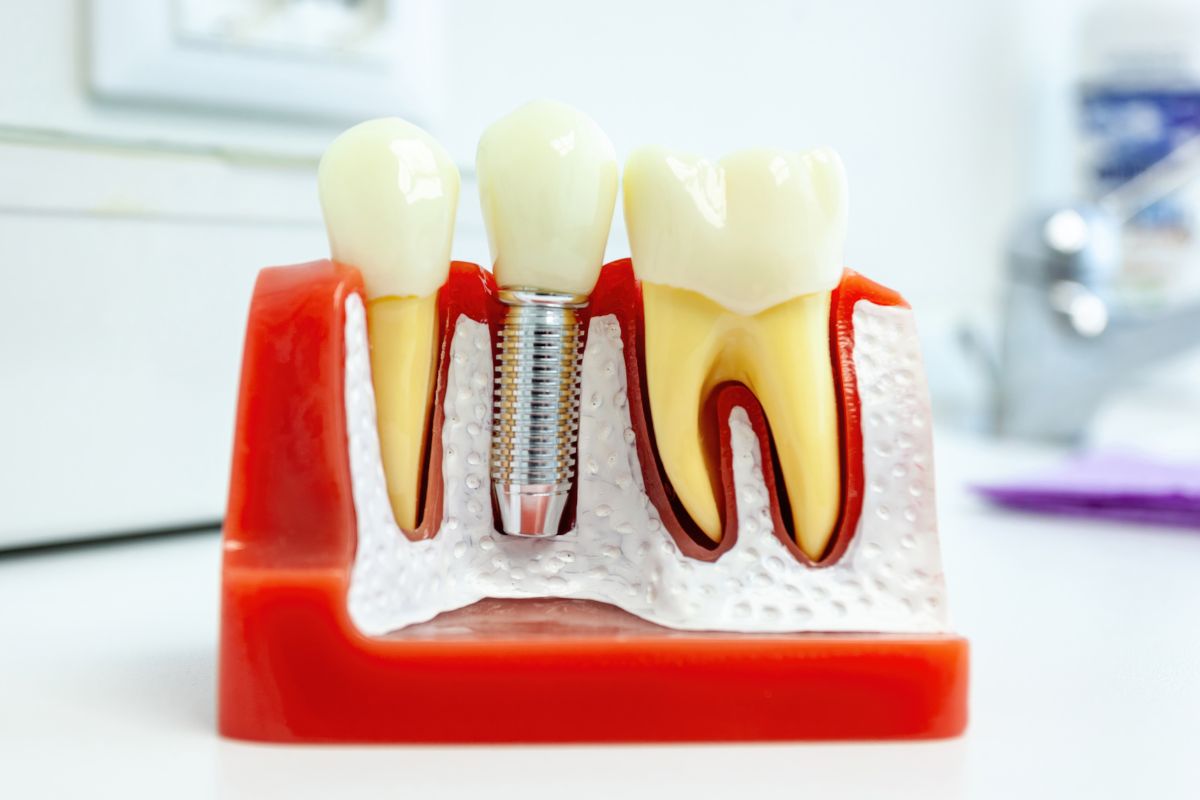
A dental implant is a small titanium post placed into the jawbone, where it functions as an artificial tooth root. Over several months, the bone fuses to the implant in a process called osseointegration, creating a stable foundation. Once that healing is complete, a custom crown is attached on top, giving you a replacement tooth that looks, feels, and functions much like a natural one.
5 Signs You May Be a Good Candidate
Not everyone with a missing tooth needs the same solution, but certain signs point toward implants being a strong fit:
- You’re missing one or more teeth and want a permanent, rather than removable, solution
- Your gums are healthy or any gum disease has already been treated
- You have enough jawbone to support an implant, or are open to bone grafting if needed
- You’re in generally good health and don’t smoke, or are willing to quit during healing
- You want a replacement tooth that functions like your natural teeth for chewing and speaking
If most of these describe you, an implant evaluation is a reasonable next step.
What If I’m Not an Immediate Candidate?
Not being an immediate candidate doesn’t mean implants are off the table. The two most common reasons patients need extra preparation are gum disease and insufficient jawbone. Active gum disease usually needs to be treated first, since healthy gum tissue is essential for an implant to succeed long-term. Bone loss, which often happens after a tooth has been missing for a while, can typically be addressed with bone grafting, giving the jaw time to rebuild enough density to support an implant. Neither of these is unusual, and both are routinely resolved before moving forward with treatment.
What Does the Implant Process Involve?
The process typically unfolds in a few stages. First, your surgeon evaluates your gums, jawbone, and overall health, often using detailed imaging to map out your oral structures. If you’re ready to proceed, the implant itself is placed into the jawbone, usually under local anesthesia or the sedation option that’s right for you. Over the following months, the bone gradually fuses around the implant. Once that healing is confirmed, a custom crown is attached, completing the restoration. According to the American Dental Association, this fusion process is what makes implants so durable, since the bone itself grows around the post and holds it firmly in place.
What Happens If I Wait?
It’s tempting to leave a gap alone if it isn’t bothering you yet, but waiting isn’t neutral. Without a tooth root stimulating the bone, the jawbone in that area gradually loses density over time. Neighboring teeth can begin to shift or tilt into the open space, which can affect your bite and make future treatment more complex. Chewing often quietly redistributes to the other side of the mouth, which can create its own wear and strain over the years. None of this happens overnight, but the earlier a gap is addressed, the more straightforward the solution tends to be.
How Do I Know for Sure?
The only way to know for certain is a proper evaluation, since candidacy depends on your specific gum health, bone structure, and medical history. Our Tempe team specializes in dental implants in Tempe and handles every stage in-house, from the initial evaluation through bone grafting, if needed, to the final restoration, so you’re not bounced between multiple specialists along the way.
Bringing It All Together
A missing tooth rarely stays a small issue on its own, but that doesn’t mean the decision needs to feel urgent or overwhelming. The clearest path forward is simply finding out where you stand — whether you’re ready for an implant now, or need a bit of preparation first.
If you’ve been putting off a decision about a missing tooth, reach out to Oral & Facial Surgeons of Arizona in Tempe at (602) 900-9874. We’ll walk you through your evaluation and lay out exactly what your options look like.
FAQs
How long does it take to get a dental implant?
From evaluation to a finished crown, the full process typically spans several months, since the jawbone needs time to fuse with the implant before the final restoration is attached.
Can I get an implant if I’ve been missing a tooth for years?
Often, yes, though longer-missing teeth sometimes mean the jawbone has lost some density. In that case, bone grafting can rebuild enough support before the implant is placed.
Do dental implants require special care?
Implants are cared for much like natural teeth — regular brushing, flossing, and dental visits. Good oral hygiene is important for keeping the surrounding gum and bone healthy long-term.
Will an implant look and feel like a real tooth?
Yes. The custom crown is designed to match your surrounding teeth, and once healing is complete, most patients find implants function very similarly to a natural tooth.
What if I have gum disease — can I still get implants?
Active gum disease typically needs to be treated first, since healthy gum tissue is important for long-term implant success. Once it’s under control, implants often become a realistic option again.