
Choosing the right oral surgeon is an important step when you’re considering dental implants. Patients seeking care in Tempe, AZ, and nearby communities often visit Oral & Facial Surgeons of Arizona to learn about their treatment options, especially when they’ve been told they may need additional procedures before implant placement.
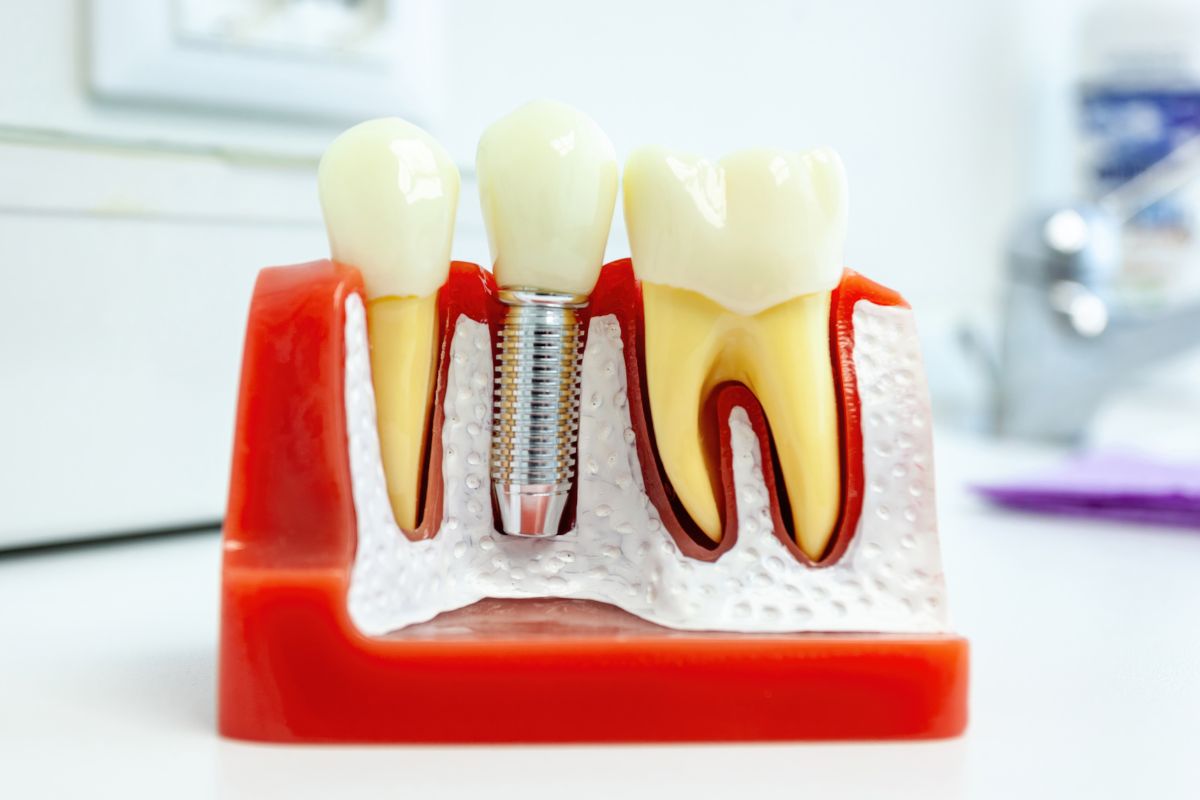
One of the first questions many people ask is whether dental implants without bone grafting are actually possible. The answer depends on several factors, including the amount of healthy jawbone you have, where the implant will be placed, and how long the tooth has been missing. While some patients can move directly to implant surgery, others may benefit from bone grafting in Tempe to create a stronger, more stable foundation for long-term success.
Is Bone Grafting Always Necessary Before Dental Implants?
The simple answer is no.
A bone graft isn’t automatically part of every dental implant procedure. Many patients have enough healthy jawbone to support an implant without any additional treatment.
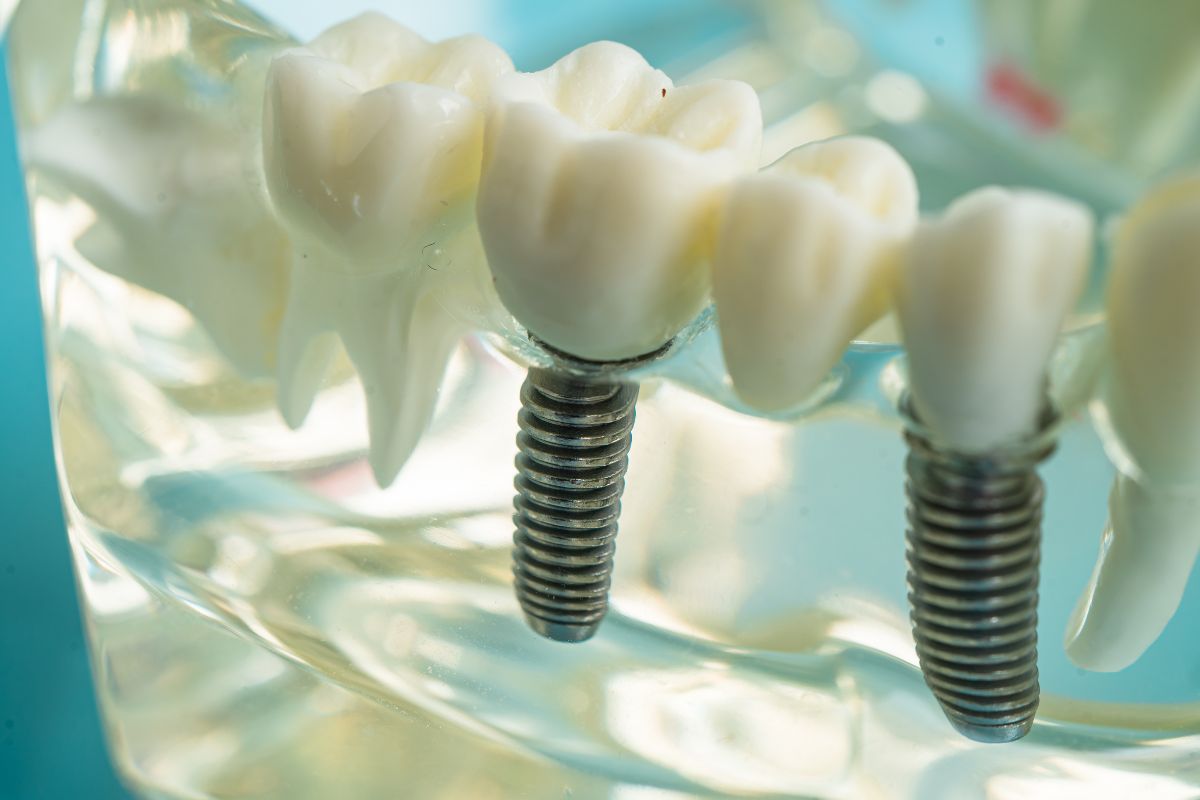
However, dental implants rely on a strong foundation. If too much bone has been lost after a tooth extraction or years of missing teeth, placing an implant without rebuilding the area first could affect its long-term stability.
That’s why every treatment plan begins with a thorough evaluation rather than assuming every patient needs the same procedure.
Why Does Bone Loss Happen?
Your jawbone stays healthy because your natural tooth roots stimulate it whenever you bite or chew. Once a tooth is lost, that stimulation disappears, and the surrounding bone gradually begins to shrink.
This process can happen for several reasons, including:
- Waiting a long time to replace a missing tooth
- Wearing removable dentures for many years
- Advanced gum disease
- Dental injuries
- Certain medical conditions that affect bone health
Bone loss often happens gradually, so many people don’t realize it until they’re evaluated for dental implants.
Who Can Get Dental Implants Without Bone Grafting?
Every Patient Is Different
Modern implant dentistry has made it possible for many patients to receive implants without needing a graft first.
You may already have enough healthy bone if:
- You recently lost a tooth.
- Your jawbone has remained healthy over time.
- The missing tooth hasn’t caused significant bone shrinkage.
- Your gums are healthy and free of active infection.
On the other hand, if the jawbone has become too thin or too short, rebuilding the area may provide a stronger and more predictable foundation for the implant.
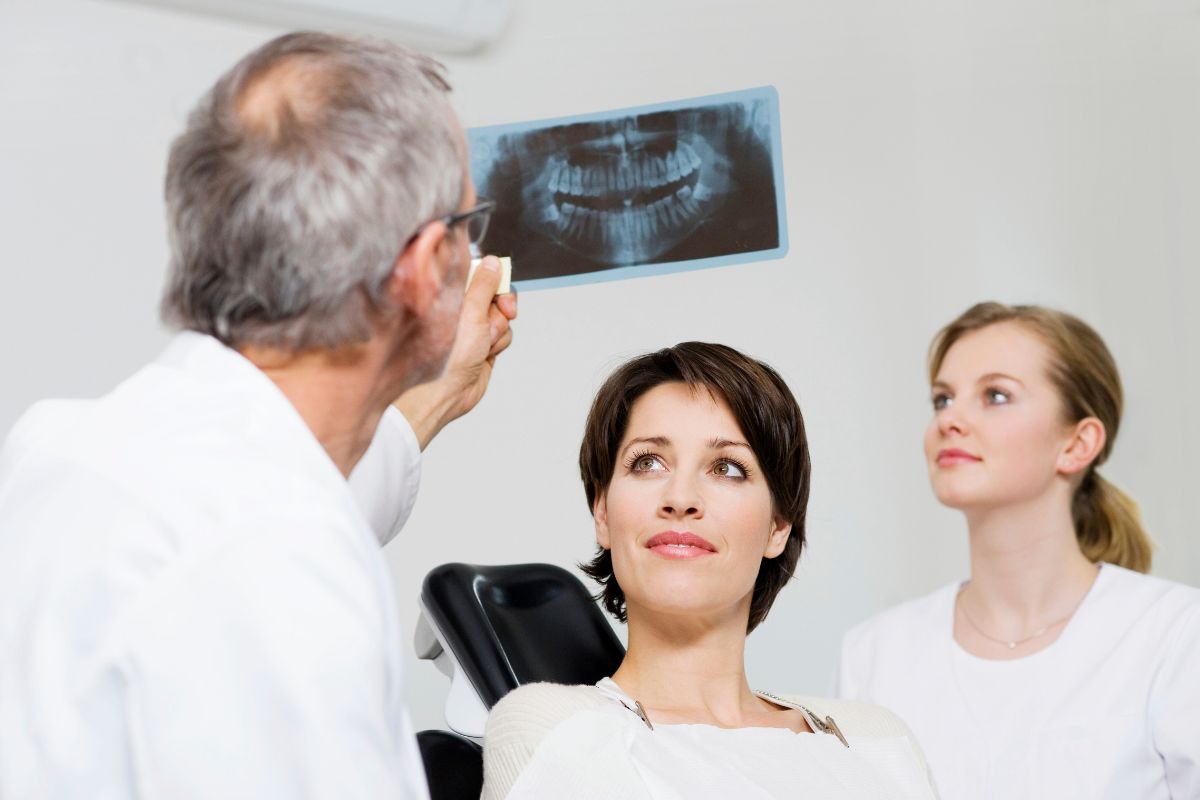
The only way to know for sure is through a comprehensive evaluation using advanced imaging.
How Do Oral Surgeons Decide If Bone Grafting Is Needed?
Rather than making recommendations based on appearance alone, oral surgeons rely on detailed diagnostic technology to determine the safest and most predictable treatment plan.
A consultation typically includes:
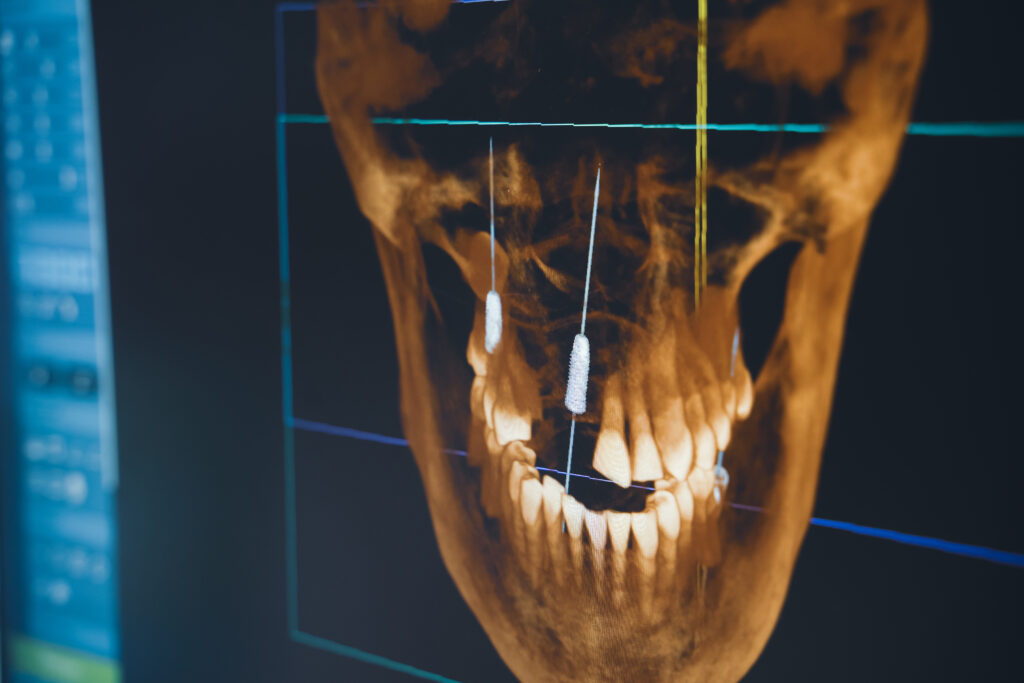
3D CBCT Imaging
Three-dimensional scans provide a detailed view of your jawbone, allowing the surgeon to measure its height, width, and density before planning implant placement.
Comprehensive Oral Examination
Your gums, remaining teeth, bite, and overall oral health are evaluated to identify any issues that could affect treatment success.
Personalized Treatment Planning
Instead of recommending bone grafting for every patient, your oral surgeon creates a plan based on your unique anatomy and long-term goals. If you’re considering treatment in the Tempe area, learning more about bone grafting can help you understand why it may or may not be recommended before dental implant placement.
Modern Implant Techniques Have Changed Treatment Options
Advances in digital technology have transformed the way dental implants are planned and placed.
High-resolution imaging, computer-guided treatment planning, and improved implant designs allow oral surgeons to evaluate available bone with greater precision than ever before. In many cases, these advancements help patients avoid procedures that may have been considered necessary years ago.
That said, skipping bone grafting isn’t always the goal. The priority is choosing the treatment that offers the best long-term support for your implant and helps protect your oral health for years to come.
When Is Bone Grafting the Better Choice?
While it’s understandable to hope you can move forward with dental implants without an additional procedure, bone grafting is sometimes the best way to create a stable foundation for long-term success.
Dental implants depend on healthy jawbone support. If the bone has become too thin or weakened after tooth loss, placing an implant without rebuilding the area may increase the risk of complications or implant failure over time.
Your oral surgeon may recommend bone grafting if:
- You’ve been missing one or more teeth for several years.
- Imaging shows significant jawbone loss.
- Advanced gum disease has affected the supporting bone.
- Previous trauma has reduced bone volume.
- The planned implant site doesn’t provide adequate support.
Although it adds another step to treatment, bone grafting often improves the predictability and longevity of dental implants.
Common Misconceptions About Bone Grafting
It’s common to feel uncertain when you hear that bone grafting may be recommended. Fortunately, many concerns are based on myths rather than facts.
Myth: Everyone Needs Bone Grafting Before Dental Implants
Not true. Many patients have enough healthy bone to receive dental implants without grafting. A thorough evaluation and 3D imaging determine what’s appropriate for your situation.
Myth: Bone Grafting Is Extremely Painful
Most patients report that recovery is easier than expected. Following your surgeon’s post-operative instructions, using prescribed medications when needed, and allowing time for healing help keep discomfort manageable.
Myth: Bone Grafting Means Dental Implants Will Take Years
Healing times vary depending on the type of graft and the amount of bone being rebuilt. In some cases, bone grafting and implant placement may even be completed during the same procedure.
Why Personalized Treatment Planning Matters
No two patients experience bone loss in exactly the same way.
Factors such as the location of the missing tooth, the condition of your jawbone, your medical history, and your long-term goals all influence whether bone grafting is recommended.
This is why comprehensive treatment planning is so important. Advanced 3D imaging allows your oral surgeon to evaluate the quality and quantity of available bone before recommending the most appropriate treatment.
Rather than adding procedures unnecessarily, the goal is to recommend only the treatment needed to provide reliable, long-term implant support.
Can Bone Loss Be Prevented?
Although some bone loss naturally occurs after tooth loss, early treatment can often help preserve more of the jawbone.
You may be able to reduce future bone loss by:
- Replacing missing teeth sooner rather than later
- Maintaining good oral hygiene habits
- Treating gum disease promptly
- Attending regular dental examinations
- Avoiding tobacco products
- Following post-extraction care instructions carefully
Taking these steps may help maintain healthier bone and expand your future treatment options.
The Next Step Starts With an Evaluation
The only reliable way to determine whether bone grafting is necessary is through a comprehensive examination and 3D imaging. Online research can provide general information, but it cannot evaluate the condition of your jawbone or determine whether dental implants can be placed safely.
If you’re considering dental implants or have questions about bone grafting Tempe, scheduling a consultation is the best way to understand your options. Call (602) 900-9874 to discuss your treatment needs and receive a personalized evaluation.
Frequently Asked Questions
1. Can I get dental implants without bone grafting?
Yes, many patients can. If your jawbone has enough height, width, and density to support an implant, bone grafting may not be necessary. A 3D evaluation is the best way to determine your eligibility.
2. How do I know if I’ve lost too much jawbone?
Bone loss often develops gradually without noticeable symptoms. Advanced CBCT imaging allows your oral surgeon to measure your jawbone and determine whether additional support is needed before implant placement.
3. How long does bone grafting take to heal?
Healing varies depending on the type of graft and your body’s natural healing process. Your oral surgeon will explain your expected recovery timeline during treatment planning.
4. Can bone grafting and dental implant placement be done together?
In some situations, yes. If the amount of bone loss is limited and conditions are favorable, both procedures may be completed during the same appointment. Your surgeon will determine whether this approach is appropriate.
5. Is bone grafting worth it before dental implants?
When there isn’t enough healthy bone to support an implant, bone grafting helps create a stronger foundation and can improve the long-term success of treatment.