

Losing one or more teeth can affect much more than your appearance. Missing teeth may make chewing and speaking more difficult, while the surrounding jawbone can gradually lose density after tooth loss. For patients considering tooth replacement in Phoenix, AZ, dental implants can provide a stable, long-term solution designed to restore both function and appearance.
At Oral & Facial Surgeons of Arizona, dental implants are placed by board-certified oral and maxillofacial surgeons at the Phoenix surgical center on N. 40th Street. The practice provides comprehensive implant care, from the initial consultation and surgical planning through implant placement and follow-up care.
If you’re considering dental implants in Phoenix AZ, understanding what happens before, during, and after treatment can help you feel more prepared for the process.
What Are Dental Implants?
A dental implant is a titanium post designed to replace the root portion of a missing tooth. Once placed into the jawbone, the implant undergoes a process called osseointegration, during which it fuses with the surrounding bone.
After healing, a customized dental crown can be attached to the implant to restore the visible portion of the tooth. Depending on how many teeth are missing, implants may also support bridges, implant dentures, or full-arch solutions such as All-On-4®.
Unlike traditional dentures, implants are anchored within the jaw rather than simply resting on the gums. This can provide greater stability while helping support the jawbone in the area of tooth loss.
Before Dental Implant Treatment
The first step is a thorough consultation and evaluation. Your oral surgeon needs to determine whether dental implants are appropriate for your oral health, bone structure, and treatment goals.
Imaging and Treatment Planning
Detailed X-rays and computer-generated maps of your oral structures can be used to evaluate the treatment area and plan implant placement. This helps the surgical team determine the appropriate position and orientation of the implant.
Adequate jawbone density is important for successful implant placement. When bone has deteriorated following tooth loss or other conditions, additional treatment may be recommended.
Bone Grafting When Needed
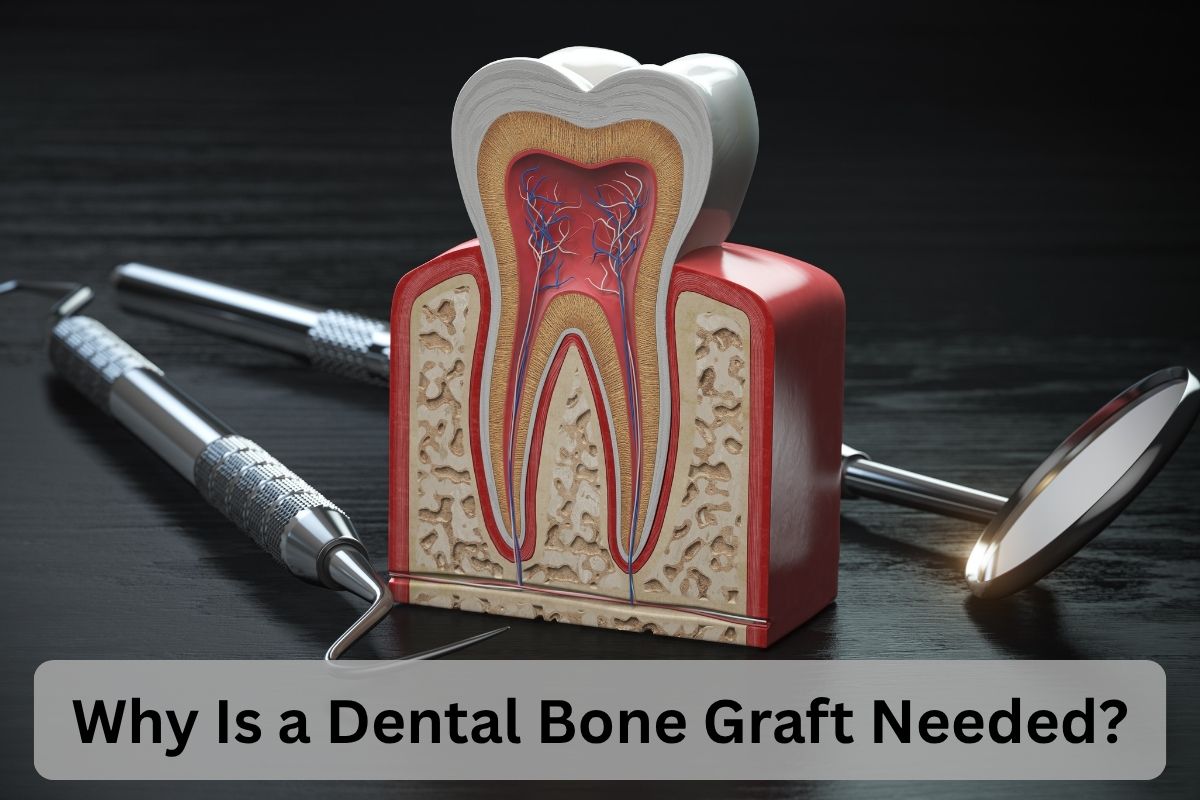
Some patients do not have enough bone to adequately support a traditional dental implant. In these cases, bone grafting may help improve the density and strength of the treatment area.
Bone grafting involves placing bone material in the area where additional support is needed. As the graft heals, it can become integrated with the surrounding bone and create a stronger foundation for an implant.
Patients with significant bone loss in the upper jaw may also have other options. Zygomatic implants, for example, are designed to anchor in the cheekbone and may provide an alternative for certain patients who have been told they lack sufficient bone for conventional implants.
What Happens During Dental Implant Placement?
Once your treatment plan is established, the implant placement procedure can be carefully planned around your individual needs.
The treatment area is numbed using local anesthesia. Depending on your procedure and comfort needs, additional sedation or anesthesia options may also be available.
The surgical team then prepares the treatment site and precisely places the titanium implant into the jawbone. The implant serves as an artificial tooth root and provides the foundation for the eventual restoration.
After placement, the implant needs time to integrate with the surrounding bone. This healing process is important because it allows the implant to become securely anchored before the final restoration is attached.
For patients researching an implants dentist Phoenix option, choosing a practice with specialized surgical training can be particularly important when treatment involves bone loss, multiple missing teeth, or more complex reconstruction.
What Happens During the Healing Period?
Healing times vary depending on the individual treatment plan, the number of implants placed, and whether additional procedures such as bone grafting were necessary.
Some bleeding, swelling, soreness, or discomfort can occur after implant surgery. The practice notes that minor bleeding should generally clear within 24 hours, while swelling near the implant site may occur during the first several days.
Your surgical team will provide specific postoperative instructions. Following those instructions carefully can support proper healing and reduce the risk of complications.
You may be advised to:
- Follow your recommended diet during the initial healing period
- Take medications as prescribed
- Brush and floss carefully around the treatment area
- Avoid disturbing the surgical site
- Monitor for unusual or persistent symptoms
- Contact the office if bleeding or other concerning symptoms continue
Maintaining good oral hygiene remains important throughout recovery, but the implant area should be treated gently while it heals.
When Is the Permanent Crown Placed?
The implant does not immediately function like a completed tooth. After placement, the jawbone needs time to integrate with the implant.
Once the implant has sufficiently healed and become stable, the permanent restoration can be attached. The dental crown is customized to fit comfortably and function naturally with your bite.
For patients replacing multiple teeth, the final restoration may instead involve an implant-supported bridge, implant denture, or another full-arch solution depending on the treatment plan.
The goal is to create a restoration that works comfortably while complementing the surrounding teeth.
What Are the Benefits of Dental Implants?
Dental implants offer several potential advantages for people dealing with missing teeth.
They can:
- Replace a single missing tooth or multiple teeth
- Improve chewing and speaking
- Provide a stable alternative to removable dentures
- Avoid relying on neighboring teeth for support
- Help reduce bone loss associated with tooth loss
- Provide long-term tooth replacement with appropriate care
- Create a restoration designed to look and function like natural teeth
The right solution depends on your specific circumstances. During the consultation, your oral surgeon can explain the available options and help determine which approach best fits your needs.
Are Dental Implants Painful?
Many patients are concerned about discomfort before undergoing implant surgery. During the procedure, local anesthesia is used to numb the treatment area. Additional sedation and anesthesia options may be available for appropriate patients.
Some soreness and swelling are normal after surgery as the tissues begin healing. These symptoms are generally manageable with the medications and postoperative instructions provided by your surgical team.
If you have concerns about anxiety or discomfort, discuss them during your consultation so your care team can explain the available options.
How Long Can Dental Implants Last?
Dental implants are designed as a long-term tooth replacement option. With proper oral hygiene and regular dental care, they can continue functioning for decades.
However, long-term success depends on several factors, including implant placement, bone integration, oral hygiene, and ongoing maintenance. Keeping regular dental appointments allows your oral health to be monitored after treatment.
Choosing the Right Implant Specialist

Dental implant treatment involves both surgical planning and restoration. For patients with straightforward tooth loss, the procedure may be relatively simple. More complicated cases may involve inadequate bone, multiple missing teeth, or the need for full-arch rehabilitation.
Oral and maxillofacial surgeons receive specialized training in surgical procedures involving the mouth, jaw, and facial structures. The Phoenix team includes board-certified oral and maxillofacial surgeons who perform dental implant procedures and related treatments.
The practice’s Phoenix location provides comprehensive implant care in one surgical setting, including evaluation, treatment planning, implant placement, and follow-up.
For general information about dental implants and their benefits, the American Dental Association’s dental implant information is also a useful patient resource.
Take the Next Step Toward Replacing Missing Teeth
Dental implants can provide a stable, long-term way to replace missing teeth, but successful treatment begins with proper evaluation and planning. From assessing your bone structure to selecting the appropriate implant option and managing the healing process, each stage plays an important role in the final result.
If you are considering dental implants and want to understand which treatment approach may be appropriate for your needs, schedule a consultation at the Phoenix office. The surgical team can evaluate your oral health, discuss your options, and develop a personalized treatment plan.
Phoenix Office: 5050 N. 40th Street, Suite 180, Phoenix, AZ 85018
Phone: (602) 899-8127
Frequently Asked Questions
Am I a candidate for dental implants?
Many people with missing teeth may be candidates for dental implants. Adequate bone support is important, but patients with insufficient bone may have options such as bone grafting or, in certain cases, zygomatic implants.
Can dental implants replace several missing teeth?
Yes. Dental implants can be used to replace multiple missing teeth. Depending on the situation, several implants may support individual restorations, a bridge, or an implant-supported denture.
How long does dental implant treatment take?
Treatment time varies from patient to patient. Healing and bone integration can take several months, particularly when bone grafting is required. Your treatment plan will provide a more accurate timeline based on your specific needs.
What happens if I don’t have enough bone for an implant?
Bone grafting may provide additional support for traditional implants. For certain patients with significant upper-jaw bone loss, zygomatic implants may offer another treatment option.
How should I care for dental implants after treatment?
Follow your surgical team’s postoperative instructions, maintain careful brushing and flossing, and attend recommended follow-up appointments. Good oral hygiene and routine dental care are important for maintaining your implant and surrounding tissues.