
Yes, it is still possible to receive implants if you have osteoporosis. However, it requires adequate planning and proper dental care from an efficient oral surgeon. This issue affects bone strength, impacting the implant procedure’s success. Curious to know whether you can still get your missing teeth replaced? Keep reading this blog till the end.
How does Osteoporosis Affect the Implant Procedure?
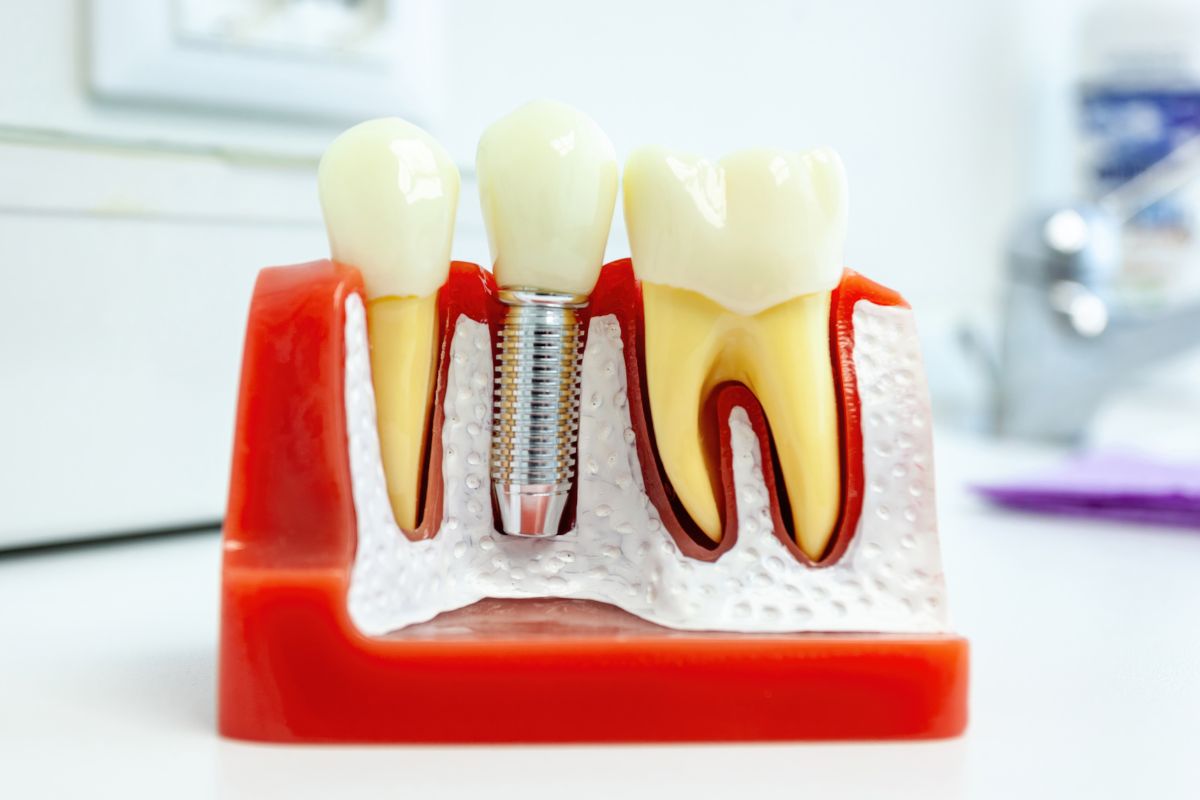
This procedure relies on a healthy jawbone to stay secure. Osteoporosis weakens bones, including the jaw, affecting how they integrate. However, with the proper evaluation and support procedures, many patients with this disease successfully get their missing teeth replaced with these artificial tooth roots.
If you are considering dental implants in Tempe and have thin bones, consult our trustworthy oral surgeons, who excel in managing these factors safely.
Why is Dental Consultation a Must?
The most important first step is getting a personalized evaluation. A well-qualified oral surgeon will examine several key areas to determine whether you are a good candidate for the procedure.
Jawbone Density Matters
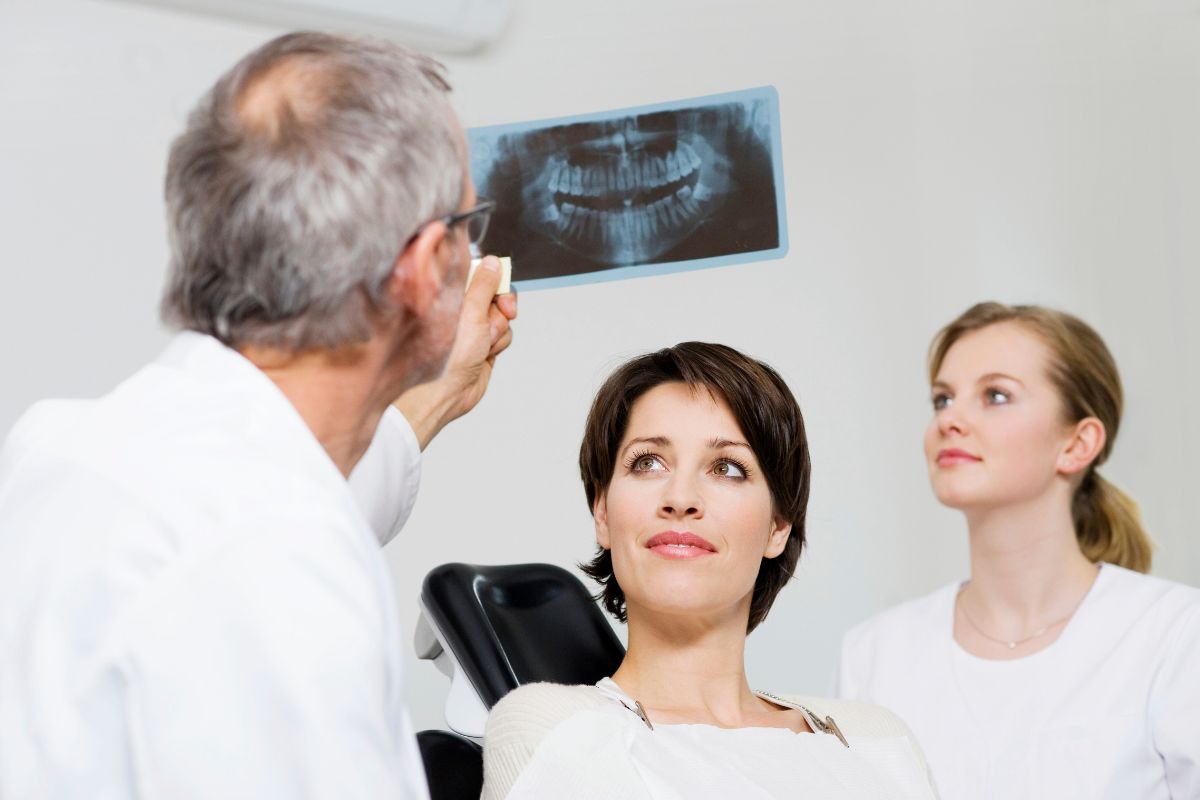
The jawbone must be strong enough to hold the implant in place. A top-rated dental professional at our practice will check your bone density using scans or imaging. If the bone is not thick or solid enough, other treatments are available to prepare the area.
Bone Grafting Could Be Necessary
A bone graft might be recommended if your jawbone has thinned due to bone loss. This procedure adds bone material to the area, giving the implant a stronger foundation. Over time, the graft merges with your natural bone, creating a stable base for the artificial tooth roots.
Medication Review Is Crucial
Certain medications for osteoporosis, such as bisphosphonates or denosumab, interfere with bone healing. Since these oral appliances need to bond with your jawbone, your dental surgeon must know all the medications you are taking. They may coordinate with your doctor to find the safest treatment schedule.
What to Expect During Healing?
Osteoporosis slows down the healing process after implant surgery. That means you will need more follow-ups to ensure everything is progressing properly. Our dental professional will monitor the healing and bone integration.
How Long Does a Dental Implant Take? A Breakdown of the Process
Here’s how an implant procedure progresses, from consultation to crown placement:
- Initial Consultation & Imaging: Our oral surgeon will review your health history and scan your jawbone.
- Medication Review & Pre-Surgical Clearance: If you are on osteoporosis medication, coordination with your doctor may be needed.
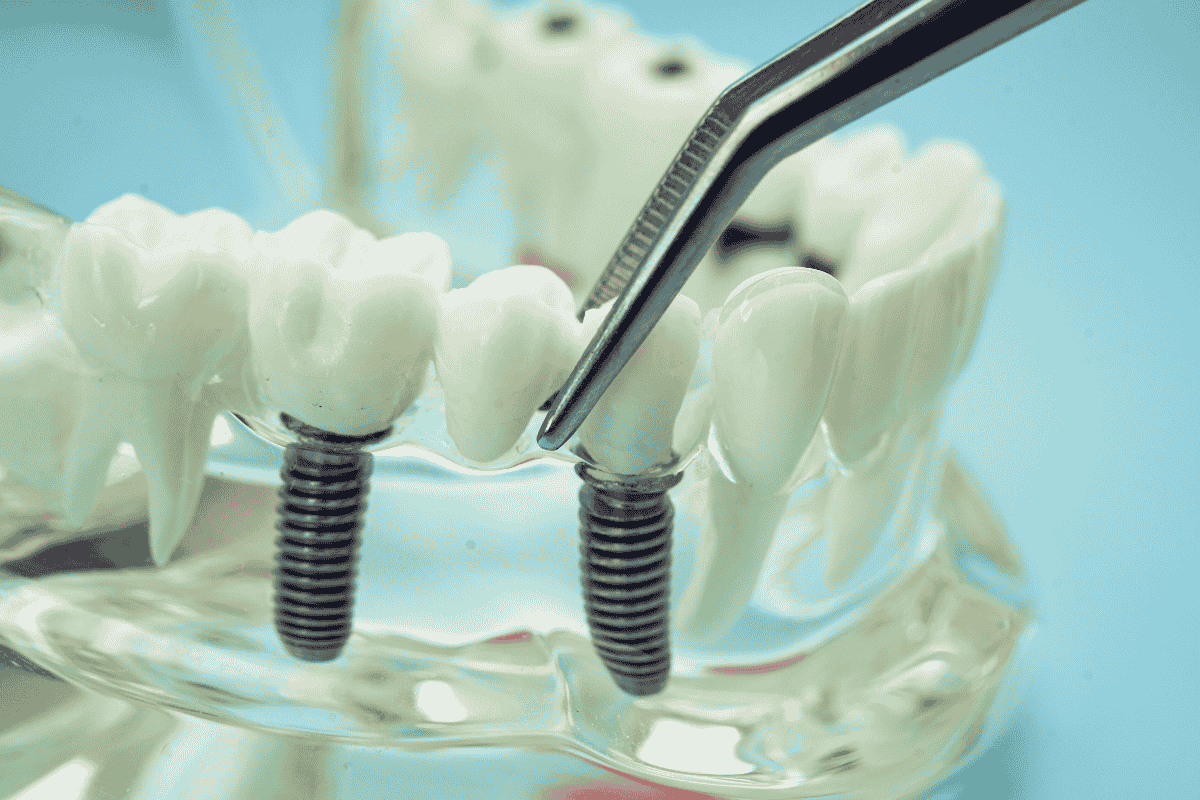
- Implant Placement Surgery: Titanium implants are placed into your jawbone in a professional setting.
- Healing & Osseointegration: The bone slowly integrates with the implant, which can take longer in osteoporosis patients.
- Final Abutment & Crown Placement: After healing, your crown or denture is attached to the implant.
What Are the Alternatives to Traditional Implants If You Have Osteoporosis?
In cases of advanced bone loss, where traditional implants are not suitable due to significant bone loss, advanced solutions like zygomatic implants offer a reliable and long-lasting way to restore missing teeth, without the need for extensive bone grafting.
When to See an Oral Surgeon vs. a General Dentist?
When it comes to implants, trust only proven experts to perform the procedure. This is important because your health and confidence depend on it.
A general dentist is ideal for routine care, such as cleanings, fillings, and checkups. They may also diagnose missing teeth and refer patients to specialists when needed.
However, for dental implant placement, especially in patients with bone loss or osteoporosis, an oral surgeon is the best choice.
Implant surgery involves precise placement near sensitive areas like nerves and sinuses. Oral surgeons have advanced surgical training, specialized tools, and the expertise to manage complex cases and minimize risks.
For safe, lasting results, always consult an oral surgeon for implant procedures involving medical complications or low bone density.
Dental Implant Solutions for Osteoporosis Patients in Phoenix and Tempe
At Oral & Facial Surgeons of Arizona, we understand that osteoporosis can make dental implant treatment more complex, but it does not make it impossible. Our oral surgeons have extensive experience providing safe, effective implant solutions personalized to patients with low bone density or bone loss.
For those with significant bone loss in the upper jaw, we may recommend zygomatic implants. This option avoids the issue of weak bone by securing the implant into the cheekbone, excluding the requirement for grafting.
Visit us at one of our convenient locations in Phoenix or Tempe, according to your convenience, to get the care your dental condition deserves.
FAQ
Does Osteoporosis Increase the Risk of Implant Failure?
Not necessarily, and evidence supports that with the proper care, patients with osteoporosis often experience similar implant success rates to those without the condition. While osteoporosis reduces bone density, it does not mean implants will fail.
Can Dental Implants Support Oral Health in Osteoporosis Patients?
Treating osteoporosis protects your jawbone. Implants preserve bone strength by stimulating it. They also prevent teeth from shifting, support your facial structure by reducing the risk of facial collapse, and improve your quality of life.
How Much Bone Density Do You Need for Implants?
Generally, you need at least 6 to 8 mm of bone for a successful implant procedure. If there is insufficient bone density, bone grafting can prepare the area for a better outcome.