

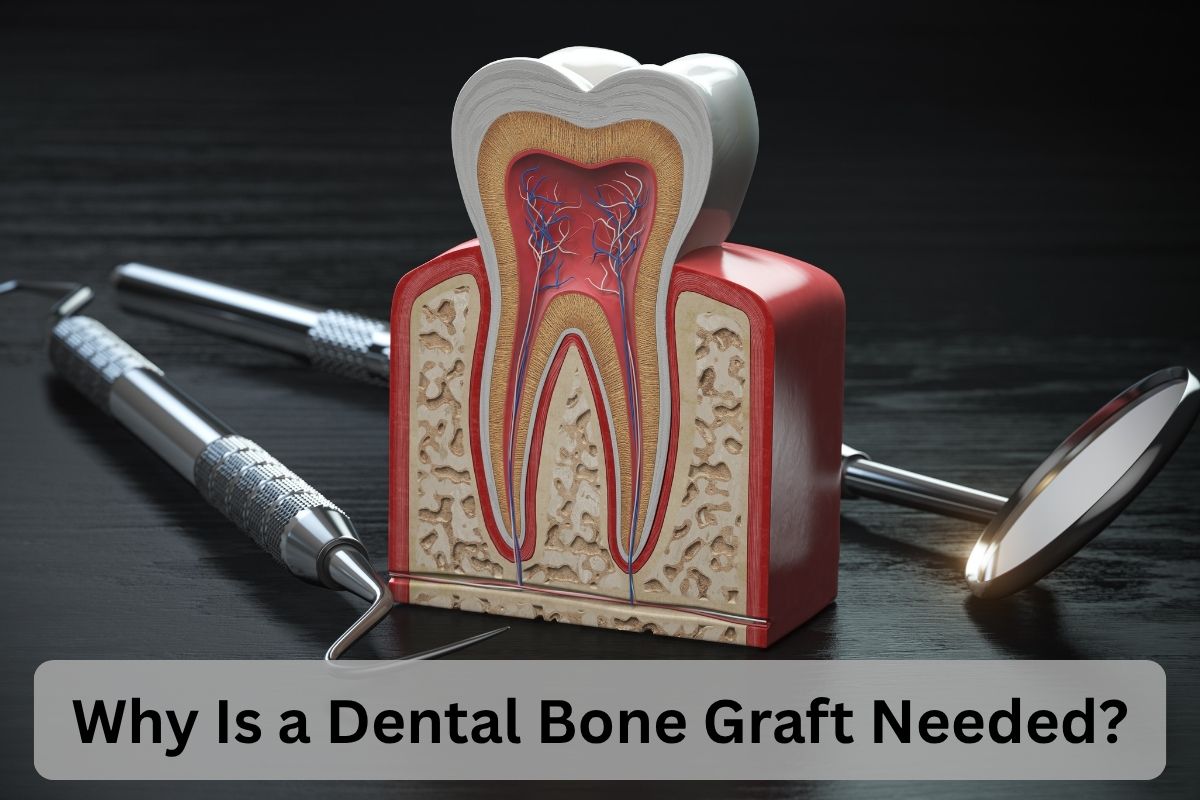
Bone health is often overlooked until it begins to impact daily function. In oral surgery, a bone graft is not usually recommended; it becomes necessary when the jaw no longer provides the support required for stability, healing, or future dental treatment. Understanding why grafting is advised helps clarify its role in maintaining long-term oral structure.
Bone Loss Does Not Occur Without a Cause
Jawbone loss follows a biological pattern. When bone is no longer stimulated or is affected by disease or trauma, the body begins to break down and resorb it. This process is gradual and often silent.
Common reasons include missing teeth, untreated infection, gum disease, or injury. Over time, the affected area weakens. This can influence bite alignment, neighboring teeth, and facial balance.
What Happens After a Tooth Is Lost
Natural teeth transfer chewing forces to the jaw. This stimulation signals the body to maintain bone strength. When a tooth is missing, that signal stops.
Bone volume in the particular area gradually decreases. This can affect surrounding teeth, alter bite mechanics, and reduce future treatment options. Grafting helps preserve or rebuild this foundation when natural regeneration is no longer sufficient.
When Bone Support Is Not Enough
A bone graft is necessary when existing bone cannot support healthy oral function or when planned procedures require it. This may occur when:
- Bone height or width is reduced.
- Infection has damaged the surrounding structure.
- Trauma has altered jaw anatomy.
- Long-term tooth loss has led to advanced resorption.
In these situations, grafting restores the structural integrity needed for predictable outcomes.
Why Bone Grafting Matters for Dental Implants
Dental implants depend on direct contact with healthy bone. This process allows the implant to function as a stable replacement for a natural tooth root.
When bone density or volume is inadequate, implants may lack long-term stability. Bone reconstruction improves the environment needed for integration and reduces future complications. In complex implant cases, grafting is often necessary rather than optional.
Why Surgical Expertise Matters for Your Bone Graft
Bone grafting is about more than just the material used; it’s about how that material interacts with your facial anatomy and biology. Many cases involve challenges like prior infections or significant bone loss that require a skilled hand.
Oral surgeons receive years of advanced training specifically for the facial bones and jaw. This allows them to perform grafting with a level of precision that general practices may not be able to offer. Especially when planning for dental implants, the way a graft is placed and stabilized determines the long-term outcome. By choosing a surgical specialist, you ensure more predictable healing and a stable foundation for your future smile.
How Oral Surgeons Approach Bone Grafting
Bone grafting is a restorative procedure guided by anatomy and healing biology. It is not a one-size-fits-all solution. Oral surgeons assess imaging, medical history, and structural needs before recommending treatment.
At Oral & Facial Surgeons of Arizona, our board-certified oral surgeons, Dr. Golding and Dr. Sabol, use advanced regenerative techniques when grafting is indicated. These may include:
- Bone Morphogenetic Proteins (BMP) to encourage bone growth.
- Bone Marrow Aspirate Concentrate (BMAC) for regenerative support.
- Stem cell-based approaches, when appropriate.
Each method is selected based on clinical necessity, not routine use.
Bone graft procedures are provided through our Tempe and Phoenix offices, which serve the surrounding Scottsdale area. These procedures are often integrated into a carefully sequenced treatment plan, especially in situations where dental implants involve complex structural considerations. The emphasis remains on restoring bone support in line with biological principles and achieving predictable, long-term outcomes.
Considering a Professional Evaluation
Bone loss cannot be reversed without proper intervention. Early evaluation allows a dental team to determine whether grafting is necessary and how it integrates into your long-term care plan. A comprehensive surgical assessment provides clarity by identifying existing bone conditions and outlining appropriate treatment options based on clinical findings rather than assumptions.
If you would like to learn more about the procedure or need a team that can manage complex cases, please contact us today. Additionally, you may call our offices at:
Phoenix Phone: (602) 899-8127.
Tempe Phone: (602) 900-9874.
Understanding the Purpose of a Bone Graft
Requiring a bone graft indicates a structural issue, not a setback. When the jaw no longer has the strength or volume required to support normal function or future treatment, grafting becomes a clinically sound solution. It allows the bone to be rebuilt in a controlled, biological manner. When administered by an oral surgeon, a bone graft becomes part of thoughtful, evidence-based care designed to restore balance and promote predictable, long-term outcomes.