
When a tooth is removed due to decay, trauma, or crowding, the immediate goal is typically to relieve pain or infection. However, the extraction itself is only the beginning of a significant biological transition in the mouth. What happens in the months following the removal of a tooth is often more vital to long-term physical health than the extraction itself.
At Oral & Facial Surgeons of Arizona, we specialize in the surgical restoration of missing teeth. As board-certified oral surgeons offering dental implants in Phoenix and Tempe, we focus on helping the community understand that a missing tooth is more than an aesthetic concern—it is a functional challenge that can lead to permanent changes in the jawbone and facial structure if not addressed with professional expertise.
The Biological “Chain Reaction” of a Missing Tooth
The mouth is a finely balanced system in which every tooth plays a role in maintaining the positions of its neighbors and the health of the underlying bone. When a tooth is extracted, a biological chain reaction begins almost immediately.
1. Accelerated Bone Resorption
The most critical consequence of a missing tooth happens beneath the surface of the gums. The jawbone requires constant stimulation to remain dense and strong. This stimulation comes from the physical pressure of chewing, which travels down the tooth root directly into the bone.
Once a tooth is extracted, that stimulation vanishes. The body begins to reabsorb the bone minerals it deems no longer necessary. Research indicates that a significant percentage of bone width can be lost within the first year after an extraction if a replacement root is not provided.
2. The “Domino Effect” of Shifting Teeth
Teeth are held in place not just by the bone, but by the pressure of their neighbors. When a gap is created, the surrounding teeth no longer have a physical barrier to keep them in alignment. Over time, they begin to tilt and shift into the empty space. This misalignment can lead to:
- Bite Complications: The upper and lower teeth no longer fit together correctly, leading to uneven wear.
- Hygiene Challenges: Shifting creates hard-to-reach areas where plaque and bacteria thrive, increasing the risk of gum disease.
- Jaw Strain: An uneven bite puts stress on the jaw joints (TMJ), potentially leading to chronic discomfort and headaches.
Which Teeth Need Replacing?
While maintaining a complete and functional smile is always the goal, it is helpful to understand which extractions require immediate restoration to prevent long-term damage.
- The High-Priority Category: This includes the front teeth (essential for speech and aesthetics) and the premolars and first molars. These back teeth are the primary tools for grinding food. Without them, the remaining teeth take on a double workload, leading to premature wear, cracks, and fractures.
- The Strategic Category: Second molars often require replacement to prevent the opposing tooth from “super-erupting.” This occurs when a tooth grows out of its socket because it has nothing to bite against, eventually leading to the loss of that tooth.
- The “No-Replace” Category: Wisdom teeth should never be replaced with implants. These are typically removed to create space or prevent infection; replacing them would be counterproductive to overall oral health.
Why Dental Implants Are the Superior Solution
For decades, bridges and dentures were the only solutions for missing teeth. Today, dental implants have become the gold standard in restorative care, particularly within the advanced communities.
A Root-to-Crown Solution
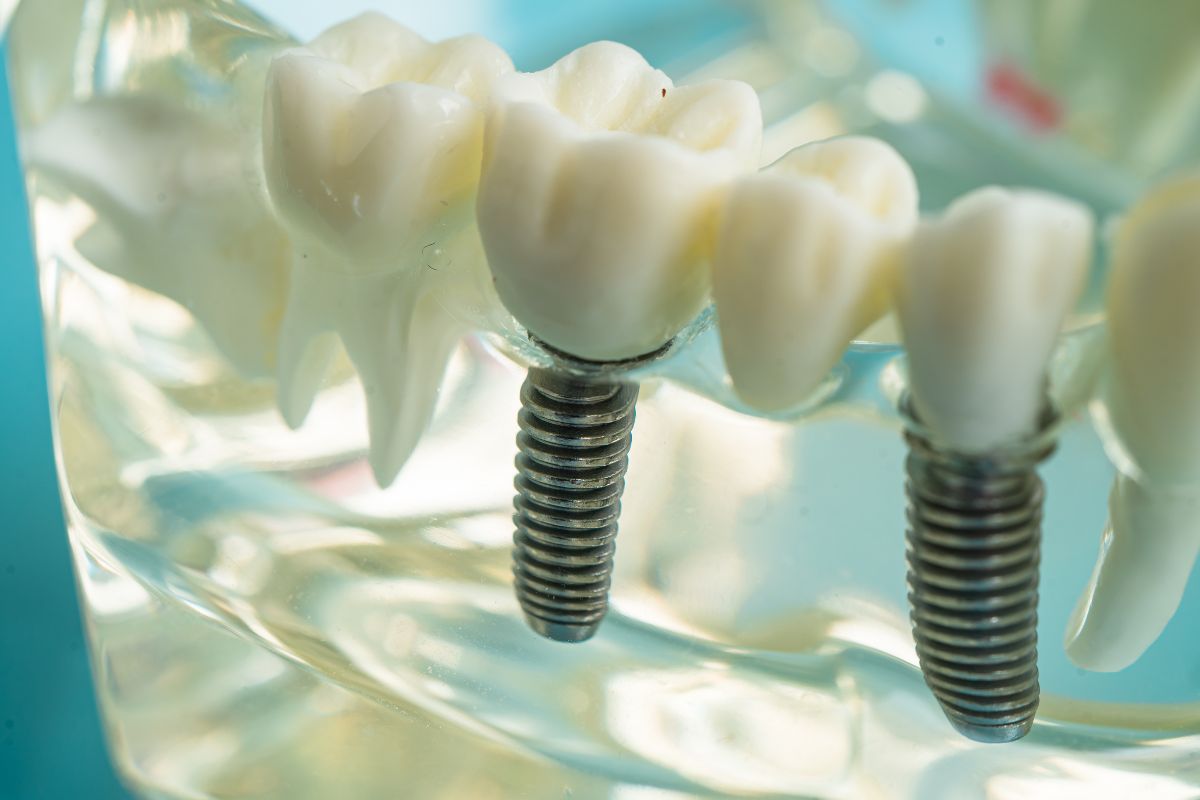
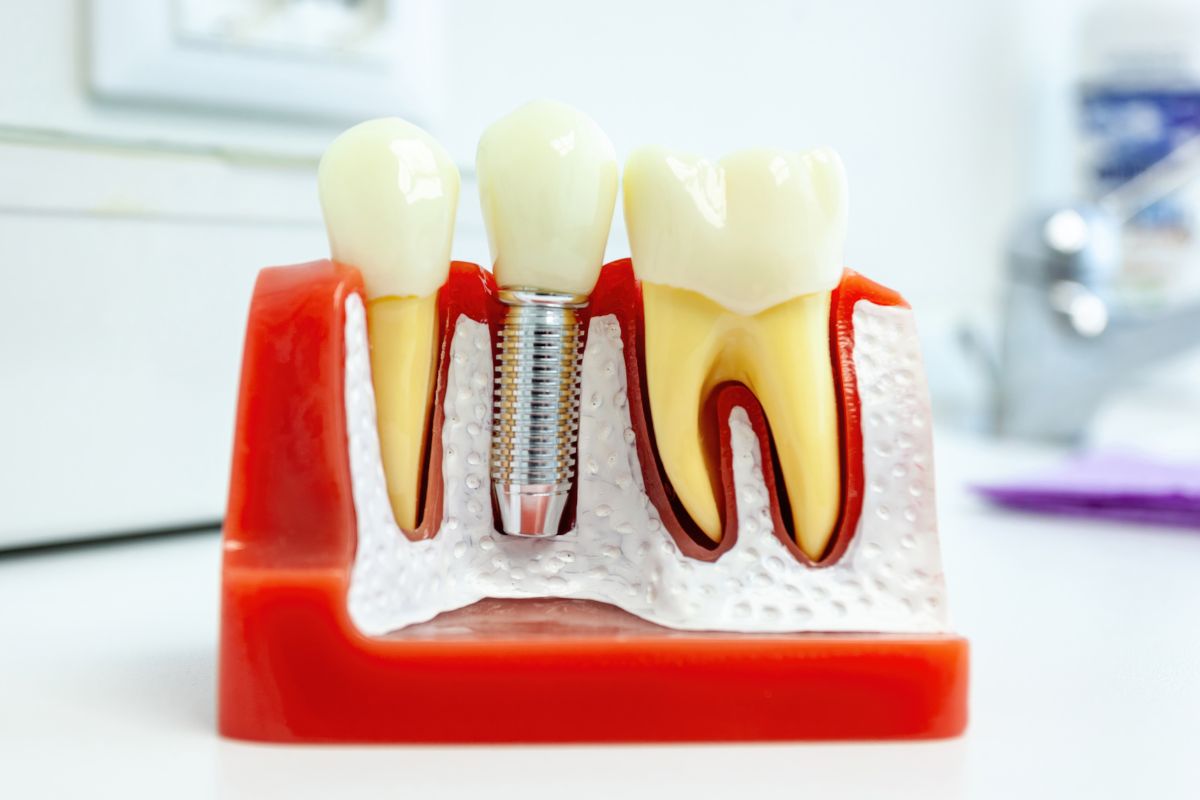
Unlike a bridge, which sits on top of the gums and relies on neighboring teeth for support, an implant replaces the entire tooth structure. A titanium post is surgically placed into the jawbone, where it undergoes a process called osseointegration. The bone fuses to the titanium, creating a permanent, stable foundation that mimics a natural tooth root.
Protecting Healthy Teeth
To place a traditional bridge, a dentist must grind down the healthy teeth on either side of the gap to act as anchors. A dental implant is a standalone solution. It protects existing healthy teeth by leaving them completely untouched, preserving the natural integrity of the smile.
Specialized Leadership in Phoenix and Tempe
A dental implant is a surgical procedure that requires precision and a deep understanding of facial anatomy. At our office, Dr. Sabol and Dr. Golding utilize hospital-grade training to handle the complexities of tooth restoration.
Advanced 3D Diagnostics
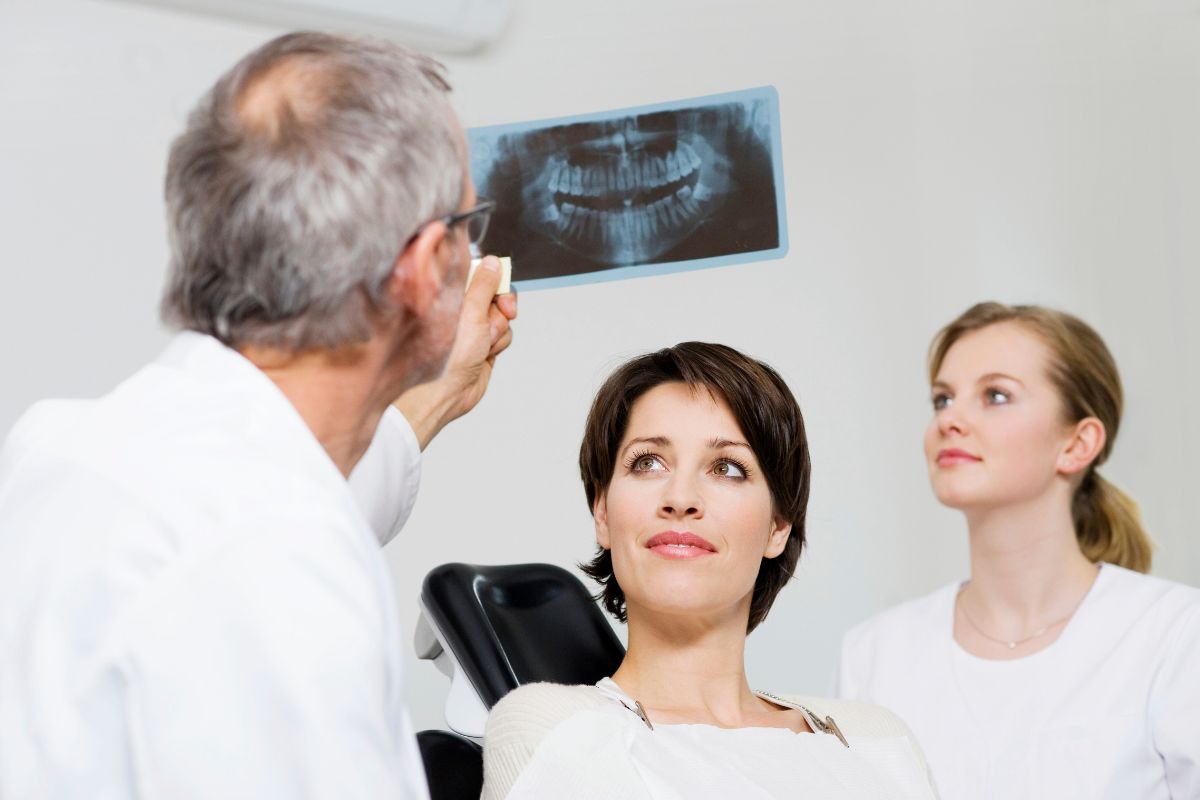
Our office uses CBCT to evaluate the jawbone in 3 dimensions. This allows for mapping the exact placement of the implant, avoiding nerves and sinuses with precision. This level of planning is why our surgical outcomes are consistently highly predictable.
Comprehensive Surgical Comfort
We recognize that the prospect of any surgical procedure can cause anxiety. Our facilities are equipped to provide a full range of sedation options. From IV sedation to general anesthesia, the focus is on ensuring the experience is as comfortable as it is safe, managed by specialists who perform these procedures daily.
If an extraction has recently occurred or if there are missing teeth, this is the right time to consider replacement options. Preventing bone loss is far more effective than rebuilding bone later through more complex grafting procedures.
To schedule a consultation, contact our offices at:
- Phoenix Office: (602) 899-8127
- Tempe Office: (602) 900-9874
Investing in Your Structural Health
Choosing a dental implant after an extraction is more than a cosmetic decision; it is an investment in the structural health of the entire face. By replacing the root of the tooth, you stop bone loss, protect your remaining teeth, and maintain your natural facial contours.
At Oral & Facial Surgeons of Arizona, the goal is to help the community navigate the transition from extraction to restoration with ease. A missing tooth should not dictate your long-term health or your confidence. Reach out to one of our locations today to learn why our practice is the preferred choice for dental implants in the area.