The surgery is only half the story. If you’re considering dental implants at our Phoenix or Tempe office, the bigger question most patients have isn’t really about the procedure itself, it’s about what everyday life looks like afterward. Eating, talking, smiling, without constantly thinking about your teeth. Here’s a realistic look at how that actually changes over the first few months, stage by stage, so you know what to expect rather than guessing.
The First Few Weeks: Healing Comes First
In the first couple of weeks, healing is still the main event. Swelling and tenderness settle down, and you’re likely sticking to softer foods while the surgical site recovers. This stage isn’t really about your new implant yet, it’s about giving the area time to heal properly before the more exciting part begins.
Getting Used to New Sensations
Once initial healing is behind you, most patients notice a period of simply getting used to something new being there. It’s common to be more aware of the implant area than you expect, not because anything is wrong, but because your mouth is adjusting to a sensation that’s slightly different from a natural tooth. This awareness typically fades on its own within the first month or so as it becomes a normal part of your bite, in much the same way you eventually stop noticing a filling or a crown once it’s been there a while.
Eating: What Actually Changes
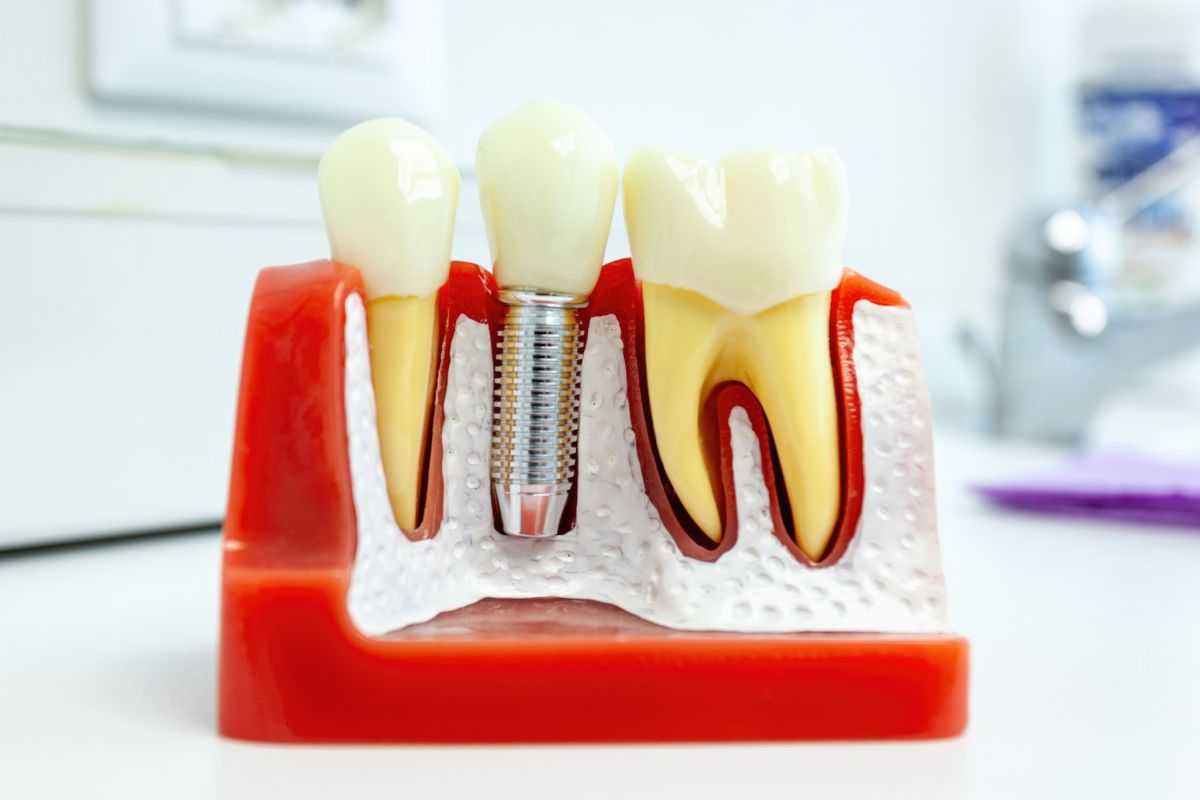
This is usually where patients notice the biggest shift. Foods that were difficult or uncomfortable with a gap or a failing tooth, think apples, corn on the cob, or anything chewy, become manageable again. Implants are anchored in the jawbone rather than resting on the gums, so they function much closer to a natural tooth when it comes to bite force. Most patients find their diet gradually opens back up over the weeks following healing, without the food restrictions that often come with missing teeth or removable options. Many describe it less as a dramatic change and more as simply forgetting to think about what they can and can’t eat, which itself is the point.
Speaking: Does It Affect How You Talk?
For most patients, speech isn’t significantly affected by implants the way it can be with ill-fitting dentures, since implants are fixed in place and don’t shift while talking. If your implant is replacing a tooth that had been missing for a while, you may notice a brief adjustment period as your tongue and lips get used to having that space filled again, but this typically resolves quickly.
Confidence: The Change Patients Notice Most
Ask patients a few months out what’s changed the most, and confidence comes up more than almost anything else. Not worrying about a gap showing when you smile, not hesitating before laughing, not thinking twice about a photo, these small day-to-day shifts tend to matter more to people than the technical details of the procedure itself. It’s a quieter kind of change than eating differently, but for many patients it ends up being the most meaningful one.
What About Sleep and Daily Habits?
Unlike removable options, implants don’t come out at night, so there’s no soaking routine or worrying about them shifting while you sleep. Most patients don’t change their daily habits much at all once healing is complete, aside from the same good oral hygiene habits that protect any natural tooth. Exercise, travel, and normal routines typically resume without any special accommodations once your surgeon has cleared you from the healing phase.
When Do Implants Start to Feel Normal?
Most patients report that by two to three months out, they’ve largely stopped thinking about their implant during everyday activities. According to the American Dental Association, implants are designed to look, feel, and function like natural teeth once healing is complete, which is exactly the point where most patients say the adjustment period is behind them.
Caring for Implants Long-Term
Once healed, implants are cared for much like your natural teeth: regular brushing, flossing, and dental checkups. There’s no special removal routine or overnight soaking involved. The main long-term factor is keeping the surrounding gum tissue healthy, since that tissue supports the implant the same way it supports a natural tooth root, and healthy gums are just as important for an implant’s longevity as they are for the rest of your smile.
What If Something Feels Off Months Later?
Occasionally, a patient notices new tenderness, looseness, or discomfort well after the initial healing period. This isn’t typical, and it’s worth a call rather than waiting it out, since it can sometimes point to an issue with the surrounding gum tissue or bone that’s easier to address early. Regular checkups after healing are the best way to catch anything like this before it becomes a bigger problem.
Bringing It All Together
The first few months with a new implant involve a real adjustment period, but it’s a temporary one. What follows for most patients is simply forgetting the implant is there, eating what you want, speaking without a second thought, and smiling without hesitation.
If you’re searching for dental implants near you in Phoenix or Tempe, you can schedule a consultation with our team to talk through what your own timeline might look like. Reach our Phoenix office at (602) 899-8127 or our Tempe office at (602) 900-9874.
FAQs
How long until a dental implant feels normal?
Most patients report feeling fully adjusted within two to three months, though this varies based on individual healing and how many implants were placed.
Will people be able to tell I have a dental implant?
No. Implants are designed to match your surrounding teeth closely, and once healed, they’re generally not noticeable to others.
Can I eat normally with a dental implant?
Yes, once healing is complete. Implants function much like natural teeth for chewing, which is one of the biggest differences patients notice compared to a missing tooth or removable option.
Do dental implants require special cleaning?
No special routine is needed. Implants are cared for the same way as natural teeth, with regular brushing, flossing, and checkups.
Is it normal to be very aware of the implant at first?
Yes. A period of noticing the implant more than expected is common in the first few weeks, and it typically fades as your mouth adjusts.