

Losing teeth can create challenges that go beyond appearance. When a tooth is missing, the jawbone underneath no longer receives the stimulation it needs, leading to gradual bone loss. Over time, this may affect the shape of the face and make it harder to replace teeth with traditional implants.
The good news is that modern oral surgery has made it possible to restore smiles even when significant bone loss has occurred. With solutions like bone grafting, sinus lifts, and zygomatic implants, those who once thought implants weren’t an option now have access to secure, long-lasting treatment.
Why Bone Loss Occurs After Missing Teeth?
Every tooth helps keep the jawbone healthy. When teeth are lost and not replaced, the bone begins to shrink in a process called resorption. This can lead to changes in facial structure, loose or shifting teeth, and fewer options for replacement in the future. The longer the bone loss continues, the more challenging it becomes to place traditional implants.
How Bone Loss Affects Implant Candidacy?
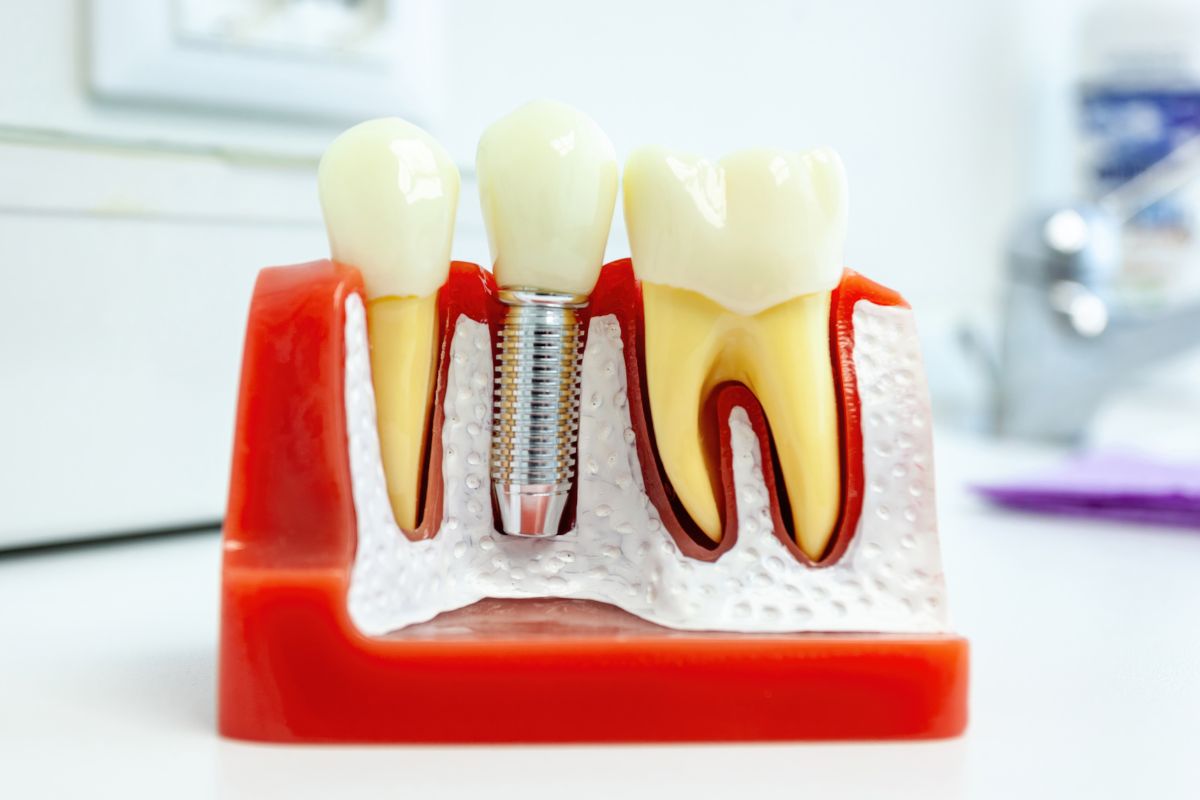
Dental implants are designed to integrate with the jawbone, but when the bone is too thin or weak, a standard implant may not get the support it needs. In the past, many people were told they could not get dental implants. This often limited their options for replacing missing teeth. Today, advanced dental implant techniques make it possible to restore smiles even in cases of significant bone loss.
Solutions: Bone Grafting, Sinus Lifts, and Zygomatic Implants
Several proven methods can help overcome the challenges of bone loss:
● Bone grafting rebuilds areas where bone has diminished, creating the strength needed to support implants.
● Sinus lifts provide additional support in the upper jaw by adding bone beneath the sinus cavity.
● Zygomatic implants anchor into the cheekbone (zygoma), offering reliable stability for individuals with severe upper jawbone loss.
These modern implant solutions allow people with bone loss to enjoy the benefits of permanent, natural-looking teeth replacements.
Success Rates with Advanced Techniques
With today’s technology and surgical expertise, implant success rates remain very high even in complex cases involving bone loss. These treatments restore chewing ability, improve speech, and protect facial structure while delivering long-term stability.
Where to Get Expert Implant Care in Tempe?
Choosing the right provider for advanced implant treatment is as vital as the procedure. Cases involving bone loss often need specialized training and advanced technology, so not every dental office can treat them effectively. That’s why finding a team experienced in routine and complex implant solutions makes all the difference.
At Oral & Facial Surgeons of Arizona, we are proud to offer this level of expertise. Our oral surgeons use advanced techniques such as bone grafting with PRP, BMP, BMAC, stem cells, sinus lifts for upper jaw support, and zygomatic implants for patients with more severe bone loss. We rely on proven implant systems that are supported by years of clinical research to deliver reliable outcomes. With options such as IV sedation and general anesthesia, every procedure is performed with both precision and comfort.
Restoring Your Smile with Advanced Implant Solutions
If you’ve been told implants aren’t possible because of bone loss, modern techniques may prove otherwise. At Oral & Facial Surgeons of Arizona, we specialize in advanced solutions that rebuild foundation, restore function, and renew confidence.
Our team welcomes you to visit our Phoenix or Tempe office to explore the best implant options for your needs. We’re here to guide you through every step with expertise, compassion, and the highest standards of care.
Tempe Office: (602) 900-9874
Phoenix Office: (602) 899-8127
FAQs About Bone Loss and Dental Implants
Can implants still work if I have severe bone loss?
Yes. Advanced techniques like zygomatic implants or bone grafting can make implants possible even in complex cases.
How long does bone grafting take before implants can be placed?
Healing time depends on the type of graft, but many people are ready for implants within months.
Are these procedures painful?
With IV sedation or general anesthesia, comfort is carefully managed during treatment. Most people describe only mild discomfort during recovery.
Why is it important to address bone loss early?
The longer the bone loss is left untreated, the more it progresses. Early intervention helps preserve jaw health and keeps more implant options available.