
Concern about discomfort is common when implant treatment is recommended. The idea of placing a dental implant can sound intimidating. In reality, the procedure is carefully planned, controlled, and guided by surgical principles designed to reduce pain and support predictable healing.
Understanding what happens before, during, and after implant placement helps clarify where discomfort may occur and how it is managed.
What People Usually Mean by “Pain”
Pain is often linked to uncertainty. In implant dentistry, most concerns relate to the surgical phase rather than the final outcome. A surgical specialist focuses on minimizing tissue trauma and maintaining precise control throughout the procedure to support a smooth recovery.
During placement, discomfort is not typically experienced. Sensation is effectively managed with local anesthesia, and additional sedation options may be used when appropriate based on comfort needs. The goal is to maintain a calm, controlled, and predictable process.
What Happens During Implant Placement
Implant placement follows a structured surgical sequence. Local anesthesia is used to numb the area, and additional comfort options may be considered depending on the case.
Because the jawbone responds differently from soft tissue, the procedure is often more comfortable than anticipated. Careful technique and efficient timing help reduce post-procedure inflammation and soreness.
What to Expect After the Procedure
Some swelling and tenderness are normal after implant placement. This response reflects the body’s natural healing process. Recovery time varies depending on factors such as the number of implants placed, bone quality, and whether additional procedures were required.
To support a smooth and predictable recovery, we typically recommend the following:
- Follow Post-Op Instructions: Adhering to the specific guidance provided by your surgical team is the best way to ensure a rapid recovery and healing.
- Manage Swelling: Apply cold compresses to the outside of the cheek for the first 24–48 hours to minimize inflammation.
- Prioritize Rest: Avoid strenuous physical activity for the first few days to allow your body to focus on the initial healing phase.
- Adjust Your Diet: Stick to soft foods and avoid hot liquids or straws immediately following the procedure to protect the surgical site.
- Maintain Oral Hygiene: Keep the mouth clean as directed, but be gentle around the implant area to avoid disturbing the tissue.
Discomfort is typically mild and short-lived when these steps are followed. These factors are carefully evaluated during your treatment planning to ensure your path to healing is as comfortable as possible.
The Role of the Jawbone in Healing
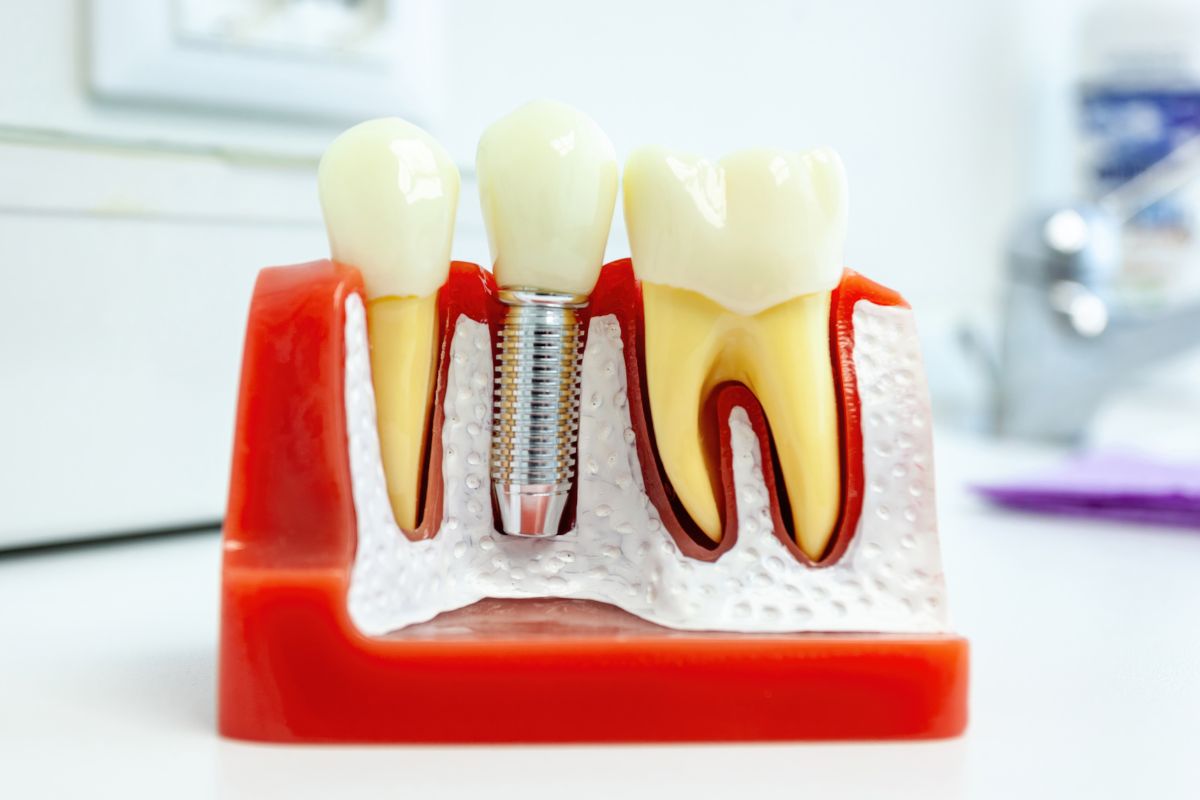
Dental implants are placed directly into the jawbone. Over time, the bone bonds to the implant surface through a biological process known as osseointegration. This process does not cause pain, but it does require stability and proper surgical technique.
When implants are placed correctly, healing tends to be steady and predictable. This is especially important in complex cases where bone density or anatomy may present challenges.
Why Surgical Expertise Matters in Implant Dentistry
At Oral & Facial Surgeons of Arizona, we understand that implant treatment is more than a restorative procedure; it is a surgical one. Our team has advanced training in facial anatomy, bone healing, and surgical planning, which allows us to manage complex cases safely and effectively.
Dr. Golding and Dr. Sabol, our board-certified oral surgeons, bring extensive experience to every implant procedure they perform. This expertise is especially crucial for advanced treatments, such as All-on-4 and zygomatic implants, where precision and a profound understanding of anatomy directly influence comfort, healing, and long-term outcomes.
When you choose our practice, you benefit from a surgical approach that prioritizes predictability, safety, and outcomes designed to meet your individual needs.
Implant Technology and Material Selection
The quality of the implant system used also influences comfort and outcomes. High-quality materials integrate more predictably with bone, reducing the risk of complications.
Our practice uses implant systems from Nobel Biocare®, Straumann®, Dentsply, Biomet 3i™, and BioHorizons®. These systems are selected for their clinical performance and long-term reliability.
Questions about discomfort and recovery are best addressed through a professional evaluation. The dental team will review your anatomy, discuss treatment options, and outline strategies to ensure your comfort throughout the process.
If you are considering dental implants and want care that prioritizes precision, healing, and long-term results, contact our Tempe office today to schedule a consultation. Let us help you restore function and confidence with a personalized treatment plan tailored to your needs.
The office is situated near Tempe Beach Park and the Loop 202 freeway, making it accessible to patients throughout Tempe and the nearby Scottsdale area.
Finding Comfort and Confidence
It is natural to feel concerned about discomfort when undergoing oral surgery. Most patients find the experience more manageable than expected. Careful planning, proper anesthesia, and attention to healing help keep any post-procedure soreness mild and short-lived.
Working with an experienced team ensures that comfort, precision, and safety are prioritized at every step, allowing the procedure to be completed smoothly while supporting the body’s natural healing process.
FAQs
How long does discomfort usually last after implant placement?
Mild soreness or tenderness is most noticeable during the first few days after the procedure. This typically improves steadily as healing begins. Most discomfort resolves within a week, though healing continues beneath the surface over a longer period. Following post-operative instructions helps support a smoother recovery.
What factors can affect comfort during recovery?
Comfort during recovery can vary depending on the number of implants placed, the quality of the bone, and whether additional procedures were required. Overall health, adherence to aftercare guidelines, and allowing adequate rest also play crucial roles in how the body responds during the healing process.
How soon can normal activities be resumed after surgery?
Light daily activities can usually be resumed within one to two days. Strenuous exercise or physically demanding tasks should be avoided for several days to allow proper healing. The dental team will provide personalized guidance tailored to the procedure performed and the individual’s recovery progress.