5050 N. 40th Street, Suite 180, Phoenix, AZ 85018

Corrective Jaw Surgery – Orthognathic Surgery
Advanced Options to Address a Range of Functional, Aesthetic, and Health Conditions
With advanced corrective jaw surgery (orthognathic surgery) procedures from our experienced oral and maxillofacial surgeons, a number of common concerns affecting the jaws can be significantly improved. Misaligned jaws and other conditions relating to these important oral structures can have a pronounced effect on one’s daily life. Corrective jaw surgery offers an effective, long-term resolution for patients who may have concerns that are not able to be successfully treated with orthodontic appliances alone. Orthognathic surgery can often be particularly beneficial for many teenagers and adults who have severe underbite or overbite conditions. The variety of corrective and reconstructive jaw surgery options at Oral & Facial Surgeons of Arizona can help many individuals improve their livelihoods and address their concerns with exemplary results.
Learn more about:
What Is Corrective Jaw Surgery?
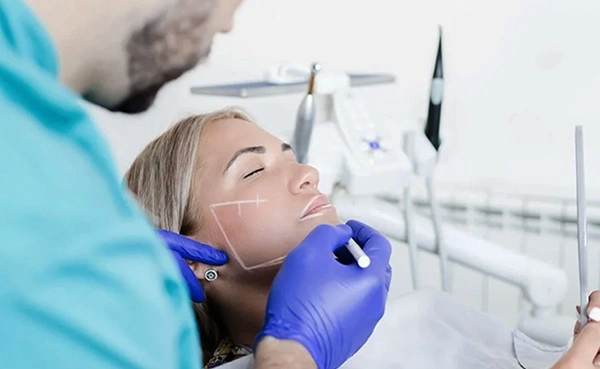
Corrective jaw surgery, also referred to as orthognathic surgery, involves procedures designed to improve mild to severe dental and skeletal irregularities. Many of these concerns involve misalignment of the teeth and jaws. Corrective jaw surgery can help reduce functional problems and discomfort that may be associated with jaw and bite issues, as well as improve speech and even enhance one’s appearance.
What Are the Benefits of Corrective Jaw Surgery?
Corrective jaw surgery offers many potential benefits for patients who experience functional conditions such as bruxism (grinding or clenching of the teeth), TMJ Disorder, sleep apnea, problems with chewing or speech, and jaw prominence, as well as aesthetic concerns such as poor balance among facial features due to structural jaw issues. For the right patients, corrective jaw surgery can resolve what may have been lifelong problems with their bite, in addition to overall health concerns and issues they may have with their facial appearance.
Corrective Jaw Surgery Candidates
Good candidates for corrective jaw surgery often include individuals who suffer from:
- Problems biting or chewing their food
- Difficulty swallowing
- An open bite (space between the upper teeth and the lower teeth when closing the mouth)
- A protruding jaw
- Underbite/Overbite
- A receding chin
- Persistent jaw pain, headache, and or TMJ Disorder
- An imbalanced facial appearance
- A previous facial injury
- Congenital facial defects
- Chronic dry mouth/mouth breathing
- Sleep apnea
- Teeth that are excessively worn-down
- Difficulty bringing the upper and lower lips together without strain
The best way to determine your candidacy for corrective jaw surgery is by having an in-person consultation here at Oral & Facial Surgeons of Arizona. Our surgeon will conduct a thorough examination of your oral structures and utilize advanced computer imaging and 3-D models to precisely identify the present condition and talk with you about your options. If corrective surgery is right for your needs, we will develop a detailed treatment plan designed to address your concerns.
Orthognathic Surgery for Teenagers and Adults with Underbite or Overbite
Orthognathic surgery may be an ideal treatment solution for teenagers or adults who have developed a severe underbite, or what’s known as a “class 3 malocclusion.” Some cases of underbite are more attributable to the positioning of the teeth rather than the jaw; therefore, an orthodontic treatment such as braces may be all that’s necessary to provide effective correction. However, other cases of underbite are caused by a lower jaw that is either malpositioned or larger in size when compared to the upper jaw, which causes it to jut forward. Particularly severe degrees of underbite can create an imbalance among facial features, cause speech and chewing problems, produce wear and tear on the teeth, and potentially even lead to TMJ Disorder (TMD), among other symptoms. Our surgeons have performed orthognathic surgery for many teenagers and adults who suffer from this condition. Advanced corrective jaw surgery techniques can improve the positioning of the lower jaw and significantly minimize the aesthetic, functional, and oral health effects that a severe underbite may produce. In some cases, orthognathic surgery may also be a recommended treatment option for patients suffering from overbite, as well. During the initial consultation, our oral surgeon will evaluate your needs and discuss the best options.
Why Choose Oral & Facial Surgeons of Arizona for Jaw Surgery?
Dr. Michael W. Golding and Dr. J. Gregory Sabol are certified by the American Board of Oral and Maxillofacial Surgery, a distinction that illustrates their high levels of skill, commitment, and education in procedures designed to address problems with the jaws and oral/maxillofacial structures. Our surgeons have particular expertise in treating patients with jaw and teeth misalignment, and they offer a vast array of advanced treatment options that can improve a comprehensive range of concerns. In addition, our practice is equipped with several fully equipped operating rooms, allowing many patients the convenience and comfort of having jaw surgery procedures performed here instead of at the hospital. Our oral and maxillofacial surgeons have gone well beyond the educational and technical requirements necessary for general dentists in order to provide patients with state-of-the-art orthognathic surgery procedures that can improve bite alignment and oral function, in addition to facial aesthetics and overall balance among facial features.
What Does the Jaw Surgery Procedure Involve?
Since jaw surgery is customized to the individual patient’s needs and goals, the exact nature of the procedure is dependent on a variety of factors. These include whether the surgery is being performed on the upper jaws, lower jaws, or both; whether bones need to be cut and repositioned; whether additional bone material will need to be placed; and other concerns unique to the personalized treatment plan. Procedures that address bite alignment issues, such as overbite or underbite, typically involve the advancement or setting back of the upper or lower jaw. For some concerns, “double jaw” surgery, which involves surgery performed on both the upper and lower jaws, may be necessary for the best results.
Our oral and maxillofacial surgeons are committed to providing you with the least invasive approach possible to successfully address your concerns. Once they have evaluated your needs in the initial consultation and gone over all of your options with you, they will help you determine the technique that can yield the best results.
What Can I Expect During the Jaw Surgery Recovery Process?
The specifics of the recovery process from jaw surgery will ultimately depend on the type of procedure that is performed and the unique concerns being addressed. With that in mind, there are some general aspects of recovery that can be expected following jaw surgery. There will likely be some level of soreness present, particularly within the first 24 hours. Swelling in the treatment areas is also common, and patients are often advised to apply ice packs to reduce this effect. After about five days, the swelling should dissipate. Most patients will need to adhere to a clear liquid diet for the first day following jaw surgery. The recommended diet will become less restrictive as healing progresses; our surgical team will provide you with detailed instructions based on your treatment plan. Non-strenuous activities and routines that do not put strain on the jaws while they heal can often be resumed within the first week. Our surgeon will schedule regular follow-up appointments to monitor your progress and ensure that recovery is going smoothly.
You can find more information on recovery expectations by visiting our section on jaw surgery aftercare.
New Patients Welcome!
For more information about our dental services or to schedule a consultation at Oral & Facial Surgeons of Arizona, please contact us today.