

Tooth loss isn’t just about appearance; it affects your overall health, facial structure, and comfort. If you’re missing one or more teeth, acting fast to replace them with dental implants is more important than you ever realize.
Time is crucial in how well your jaw and gums respond to missing teeth and how successful artificial tooth roots can be.
Below, we will discuss the risks of delaying, the benefits of quick implant placement, and how to know if you are the right candidate.
What Happens If I Wait Too Long After Losing a Tooth?
The effects of tooth loss go far beyond the missing tooth itself. Here’s what happens when you delay the treatment-
Jawbone Deteriorates Without a Tooth
Once you lose a tooth, the jawbone starts shrinking. This is called bone resorption. Without a new tooth root to stimulate it, the jawbone receives no signals to preserve its structure.
Gum Disease Progresses If You Don’t Replace Your Tooth
Exposed gum tissue becomes more vulnerable to infection, and inflammation may follow. This increases the tendency of periodontal disease, which can lead to soft tissue and bone damage.
Surrounding Teeth Start to Shift
When there’s a gap, nearby teeth can drift into the space. This changes your bite and may cause alignment issues, tooth wear, or TMJ discomfort.
Tooth Loss Affects Facial Appearance
Losing jawbone volume and shifting teeth can lead to sunken cheeks, wrinkles, or a collapsed facial profile over time.
Missing Teeth Impacts Your General Health
Missing teeth can affect nutrition, digestion, and even speech clarity. In some cases, it can contribute to social discomfort or low self-esteem.
Phases of Dental Implants: From Extraction to Final Crown (6–8 Months)
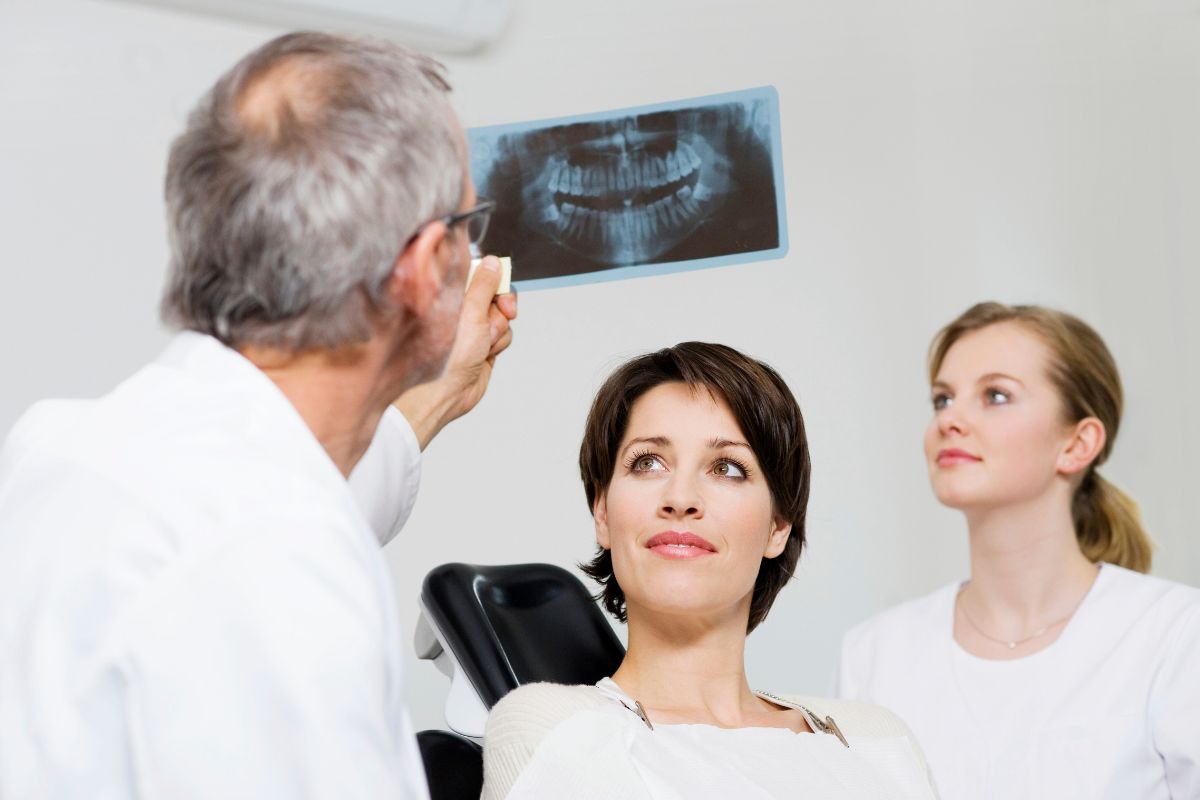
Once confirmed that you’re a suitable candidate for dental implants, our oral surgeon will develop a personalized treatment plan tailored to your needs. Using advanced digital X-rays and 3D imaging, we create an accurate surgical guide to ensure precise implant placement.
- Tooth Extraction (If Needed): If a damaged tooth is present, we remove it carefully and allow the area to heal for a few weeks.
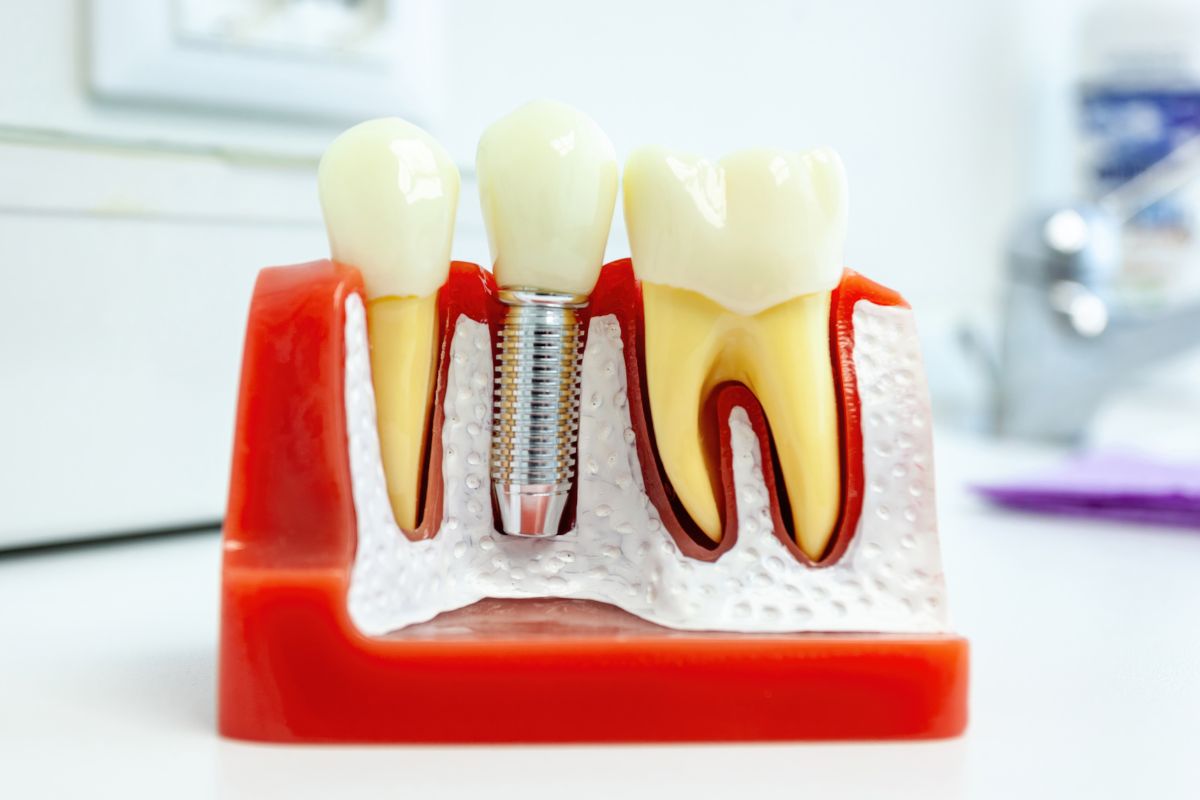
- Implant Placement: Under local anesthesia, we place titanium posts into the jawbone where teeth are missing. These posts act as artificial tooth roots.
- Osseointegration and Temporary Crowns: Over the next few months, the implants will fuse naturally with your bone. During this time, we may provide temporary crowns to preserve appearance and function.
- Abutment and Final Crown Placement: Once the implants are secure, we attach custom-made crowns that match your natural teeth’s shape and texture. A final polish completes your confident new smile.
Why Are Dental Implants the Best Long-Term Solution?
These restorations are more than just cosmetic fixes. They preserve the function and maintain your oral health.
They Feel Like Natural Teeth: They mimic natural roots and support crowns that look, feel, and function like real teeth.
They improve the Chewing and Speech: Dental posts restore full bite force, so you can eat normally and speak clearly, without slipping or clicking.
They Enhance Your Smile: They fill in gaps, supporting your lips and cheeks and improving overall facial symmetry.
They are Stable and Reliable: Once healed, artificial titanium tooth roots become a permanent part of your jaw, offering unmatched durability.
They Help Preserve the Jawbone: These restorations are the only tooth replacement option that stimulates the jawbone, helping to prevent bone loss.
They Are Easy to maintain: Unlike dentures, artificial tooth roots require no soaking or adhesives. You brush and floss them like natural teeth.
They Are Versatile for All Kinds of Tooth Loss: From single tooth to full-arch restorations, implanted teeth are highly adaptable to your needs.
Why Is It Better to Get Implants Sooner?
Delaying implant placement often means more complex procedures down the road.
- Earlier placement means less bone loss, reducing the need for bone grafting.
- You will regain your bite alignment, making restoration easier and more accurate.
- Recovery is predictable, and long-term results are better when the jaw is stable.
Waiting for months or years means more appointments, higher costs, and extended healing periods.
Am I a Good Candidate for Such Permanent Tooth Restorations?
Adults with healthy gums and sufficient bone are eligible. You may be a good candidate if:
- You have one or more missing teeth.
- Your jawbone is still strong or graftable.
- You’re committed to good oral hygiene.
A consultation with a trusted oral surgeon and a 3D scan can help confirm your candidacy.
What Types of Dental Posts Are Available?
There’s no one-size-fits-all. Your oral surgeon will guide you based on how many teeth you need to replace.
1. Single-Tooth Implants: They support a custom crown for patients missing just one tooth.
2. Multi-Tooth Implants (Implant Bridges): When missing two or more adjacent teeth, this option anchors a bridge on two dental posts.
3. Implant Dentures (Full Arch): For those missing most or all of their teeth, implant-supported dentures offer the best stability over traditional removable ones.
In addition to these, you can also opt for alternatives like All-on-4 and Zygomatic implants. Consult with your oral surgeon for the right recommendations.
When To See A Surgeon Vs. A General Dentist
General dentists are concerned with preventive and routine care, such as cleanings, fillings, crowns, and root canals, required for daily oral health. But when the issue is more complicated, an oral surgeon is called for. They are trained to deal with serious problems like impacted teeth, loss of jawbone, facial trauma, TMJ disorders, and oral cancer.
They also perform surgical tooth removal and place dental implants when regular care is not sufficient. At our Tempe office, Dr. Golding and Dr. Sabol are both board-certified oral surgeons, bringing advanced surgical expertise to situations requiring precision and more in-depth diagnosis. If your condition exceeds the parameters of general dentistry, your dentist will refer you to a trusted surgeon to provide the highest quality of care.
Choose Health, Confidence, and On-Time Care with Oral & Facial Surgeons of Arizona
Delaying restoration treatment after tooth loss can cause long-term problems. But you don’t have to wait. We specialize in dental implants in Tempe that prioritize both aesthetics and function.
Our oral surgeons are board-certified by the American Board of Oral & Maxillofacial Surgery, indicating their extensive surgical expertise and knowledge for each treatment. They are well-trained in titanium post placement and facial anatomy, delivering results with aesthetic and long-term functional intent.
Book your consultation with Dr. Michael W. Golding, and start your journey toward renewed confidence and optimal oral health.