
As an oral surgeon in Phoenix, AZ, I often encounter patients with questions about dental implants. Dental implants have revolutionized the way we approach tooth replacement, offering a durable and aesthetically pleasing solution for those who have lost one or more teeth. In this blog post, we’ll explore the various types of dental implants available, their benefits, and their specific uses to help you make an informed decision about your dental health.
Understanding Dental Implants
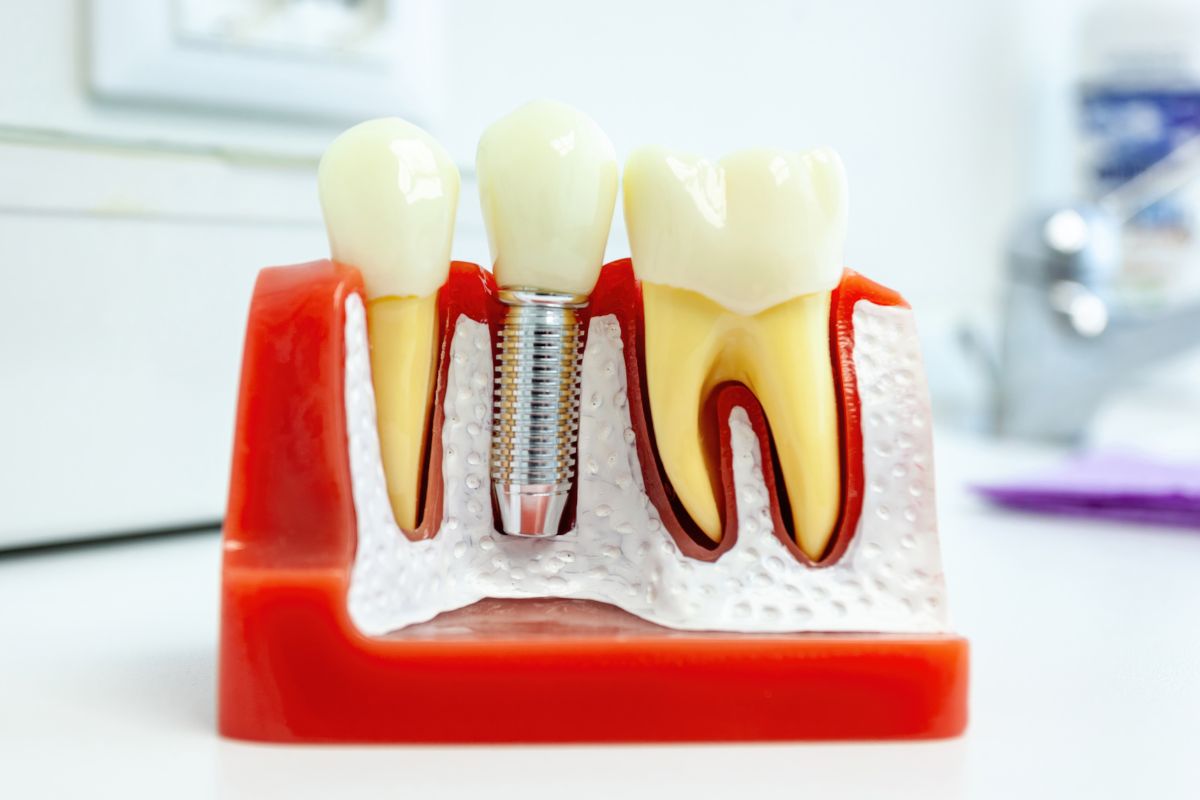
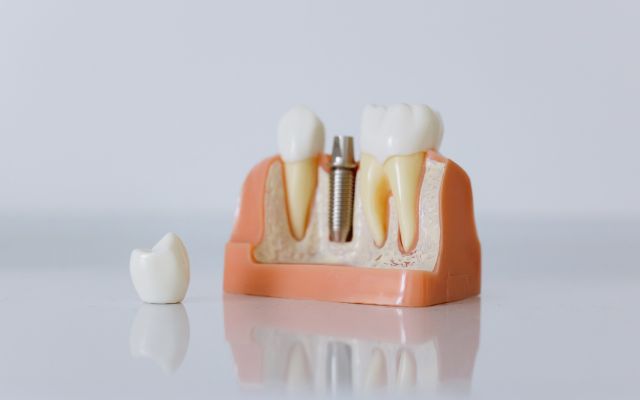
Dental implants are artificial tooth roots, typically made of titanium, that are surgically placed into the jawbone to support replacement teeth or bridges. They provide a strong foundation for fixed or removable replacement teeth designed to match your natural teeth. The success rate of dental implants is high, often cited around 95%, making them a reliable option for many patients.
Types of Dental Implants
-
Endosteal Implants
- Description: Endosteal implants are the most commonly used type of dental implants. They are typically shaped like small screws and are made of titanium.
- Utility: These implants are surgically placed directly into the jawbone. Once the surrounding gum tissue has healed, a second surgery is needed to connect a post to the original implant. Finally, an artificial tooth (or teeth) is attached to the post-individual or grouped on a bridge or denture.
- Ideal Candidates: Patients with a healthy jawbone who can withstand the surgery and healing process.
-
Subperiosteal Implants
- Description: Subperiosteal implants are placed under the gum but above the jawbone. They consist of a metal frame that is fitted onto the jawbone just below the gum tissue.
- Utility: As the gums heal, the frame becomes fixed to the jawbone. Posts attached to the frame protrude through the gums, to which artificial teeth are then mounted.
- Ideal Candidates: Patients who do not have enough healthy jawbone for endosteal implants and do not want to undergo bone augmentation procedures.
-
Zygomatic Implants
- Description: Zygomatic implants are the least common type and are used when there is not enough jawbone for the other implant types. These implants are placed in the cheekbone (zygomatic bone) rather than the jawbone.
- Utility: These implants provide a viable alternative for patients with severe bone loss in the upper jaw who cannot have traditional implants.
- Ideal Candidates: Patients with significant bone loss in the upper jaw, often due to conditions such as advanced periodontal disease or atrophy following long-term denture use.
Implant Placement Techniques
-
Single Tooth Implants
- Utility: These are used to replace a single missing tooth. The implant supports a single crown, restoring both function and appearance.
- Procedure: A single titanium implant is placed into the jawbone, followed by the attachment of a crown.
-
Multiple Tooth Implants
- Utility: When several teeth are missing, multiple tooth implants can be used to support a bridge. This prevents the need to alter adjacent healthy teeth, as is necessary with traditional bridges.
- Procedure: Multiple implants are placed to support a fixed bridge, offering stability and preventing bone loss.
-
Full Mouth Implants
- Utility: Also known as full arch implants, these are used when all or most of the teeth are missing. A series of implants are placed to support a full set of dentures or bridges.
- Procedure: Typically, 4-6 implants are strategically placed in each jaw to support a full arch of replacement teeth (All-on-4 or All-on-6 techniques).
Bone Augmentation Techniques
- Bone Grafting
- Description: Bone grafting involves adding bone material to the jawbone to create a stable foundation for implants.
- Utility: This technique is essential for patients who do not have enough natural bone due to resorption or atrophy.
- Procedure: Bone material from another part of the body, or a synthetic substitute, is grafted to the jawbone. The grafted material integrates with the existing bone over several months.
- Sinus Lift
- Description: A sinus lift, or sinus augmentation, adds bone to the upper jaw in the area of the molars and premolars.
- Utility: This procedure is often necessary when there is insufficient bone height in the upper jaw or if the sinuses are too close to the jaw.
- Procedure: The sinus membrane is lifted, and bone is added between the jaw and the maxillary sinuses.
Benefits of Dental Implants
- Improved Appearance
- Dental implants look and feel like natural teeth. They fuse with the bone, making them a permanent solution that improves your smile and overall facial aesthetics.
- Enhanced Comfort
- Unlike removable dentures, implants are a part of your mouth. They eliminate the discomfort and inconvenience of removable dentures.
- Better Oral Health
- Implants do not require reducing other teeth, as a tooth-supported bridge does. This preserves more of your natural teeth, improving long-term oral health.
- Durability
- With proper care, dental implants are highly durable and can last many years, often a lifetime.
- Convenience
- Dental implants eliminate the need for messy adhesives and the discomfort of removable dentures, providing a more convenient and hassle-free solution.
Conclusion
Dental implants offer a robust and versatile solution for tooth replacement, catering to various needs and conditions. Whether you need to replace a single tooth, multiple teeth, or a full arch, there is an implant solution for you. As an oral surgeon in Phoenix, I am committed to providing personalized care to ensure the best outcomes for my patients. If you’re considering dental implants, schedule a consultation to discuss the best options for your unique situation.
By understanding the types of dental implants and their utility, you can make an informed decision to restore your smile and improve your quality of life.
Related Articles
By Oral & Facial Surgeons of Arizona