
Dental implants are a popular and effective solution for replacing missing teeth. They offer numerous benefits, but some patients report experiencing a persistent bitter taste after the procedure. This can be concerning, and you might wonder if dental implants are the cause and what you can do about it. This blog post will explore the potential reasons behind this issue and offer valuable insights.
Understanding Dental Implants
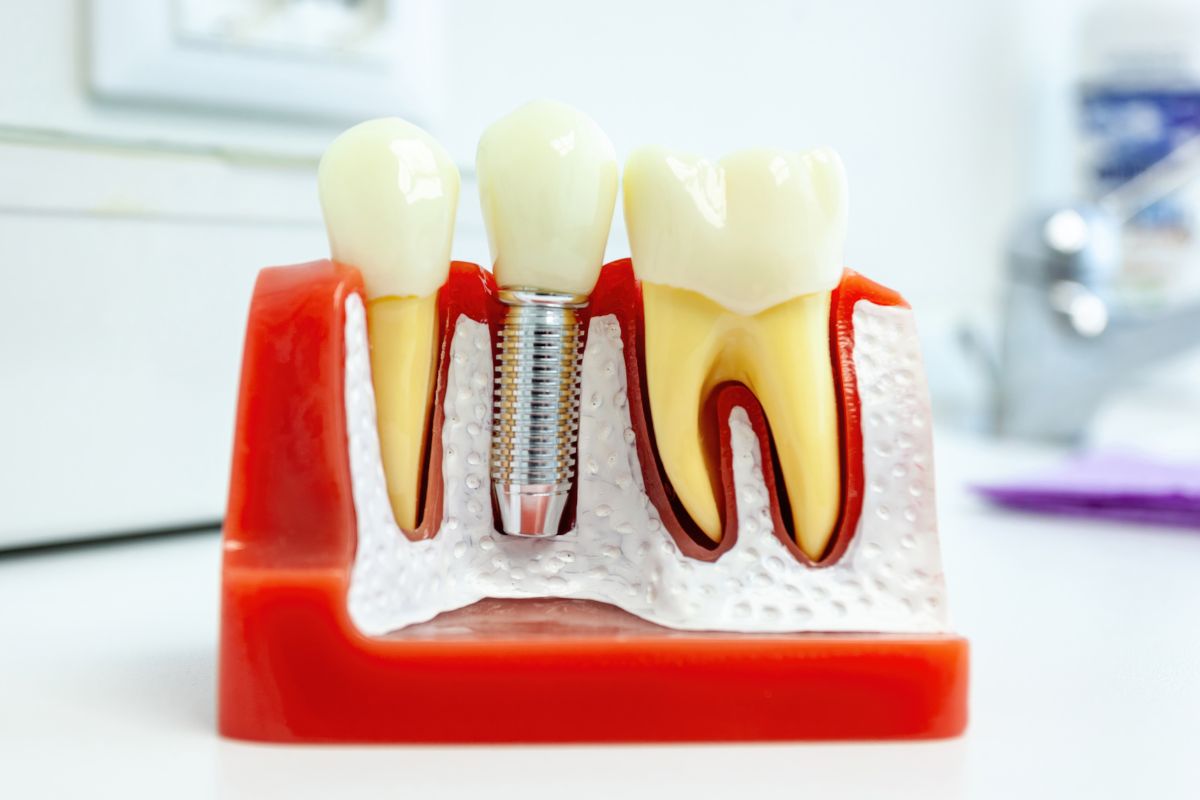
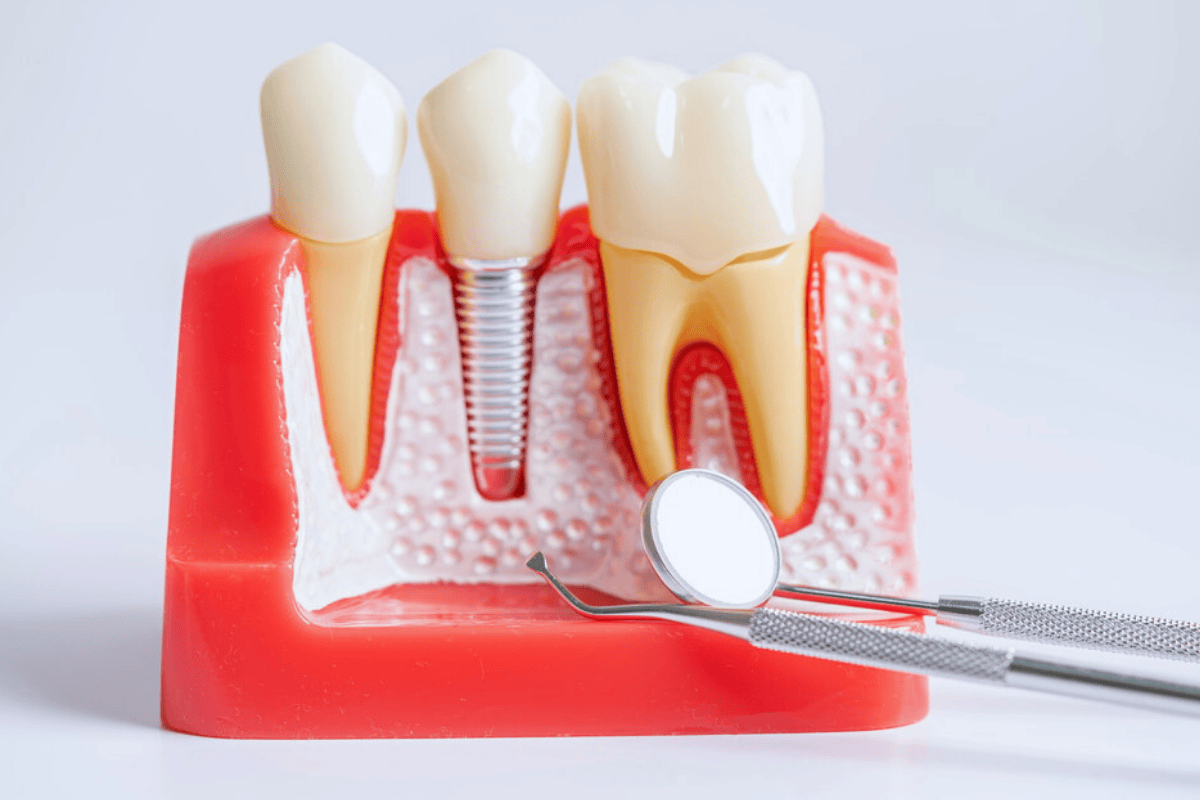
Dental implants are titanium posts surgically placed into the jawbone to support artificial teeth. They provide a long-term solution for missing teeth, offering durability and a natural appearance. However, like any medical procedure, dental implants may have some minor side effects, including taste disturbances.
Possible Causes of a Constant Bitter Taste After Dental Implants
- Infection or Peri-Implantitis: One common reason for a persistent bitter taste is an infection around the dental implant site. Peri-implantitis is an inflammatory condition that affects the gums and bone surrounding the implant, potentially leading to a foul or metallic taste.
- Poor Oral Hygiene: Maintaining proper oral hygiene is essential after getting dental implants. Food particles and bacteria accumulation around the implant can cause bad breath and a bitter taste.
- Dry Mouth (Xerostomia): Saliva plays a crucial role in washing away bacteria and maintaining oral health. Certain medications, stress, or underlying health conditions can reduce saliva production, leading to dry mouth and an unpleasant taste.
- Allergic Reactions: Though rare, some patients may have an allergic reaction to materials used in the implant or prosthetic crown, resulting in a bitter taste.
- Residual Cement from Crown Placement: If the dental crown is attached using cement, excess material can sometimes remain around the implant, leading to irritation, infection, and an altered taste.
- Sinus Issues (For Upper Implants): For implants placed in the upper jaw, sinus complications can develop, causing a postnasal drip that may contribute to a bitter taste.
How to Prevent and Treat a Bitter Taste from Dental Implants
- Practice Good Oral Hygiene:
- Brush and floss daily to remove plaque buildup.
- Use an antibacterial mouthwash to keep bacteria at bay.
- Schedule regular dental check-ups for professional cleanings.
- Stay Hydrated and Address Dry Mouth:
- Drink plenty of water throughout the day.
- Use saliva-stimulating products like sugar-free gum or lozenges.
- Avoid alcohol and caffeine, which can contribute to dehydration.
- Ensure Proper Healing Post-Surgery:
- Follow post-operative care instructions provided by our oral surgeon.
- Avoid smoking, as it can hinder healing and increase the risk of infection.
- Stick to a soft food diet initially to prevent unnecessary pressure on the implant site.
When to Seek Professional Help
If your bitter taste persists for more than a few weeks, or if it is accompanied by pain, swelling, or pus around the implant, seek immediate dental care. Early intervention can prevent more serious complications and ensure the success of your dental implants.
While a constant bitter taste after a dental implant procedure is uncommon, it can occur due to various factors such as infections, poor hygiene, or material sensitivities. If you’re experiencing a persistent bitter taste after your dental implant surgery, don’t hesitate to reach out to our oral surgeon located in Tempe and Phoenix, AZ for a thorough evaluation and appropriate treatment.
Also, If you’re considering dental implants as a missing teeth treatment, don’t hesitate to talk with us. Our team is ready to give you personalized treatment plans after understanding your needs. Schedule your appointment today.