

Dental implants offer a lasting solution for missing teeth, but their success depends on adequate jawbone density. If you’re considering implants and have heard about bone grafts, you might wonder if they’re necessary for you. Bone loss, often from tooth extraction or gum disease, can necessitate a bone graft to create a stable implant foundation. In this blog, we’ll explain the role of bone grafting and help you determine if it’s a crucial step in your implant journey.
What is a Dental Bone Graft?
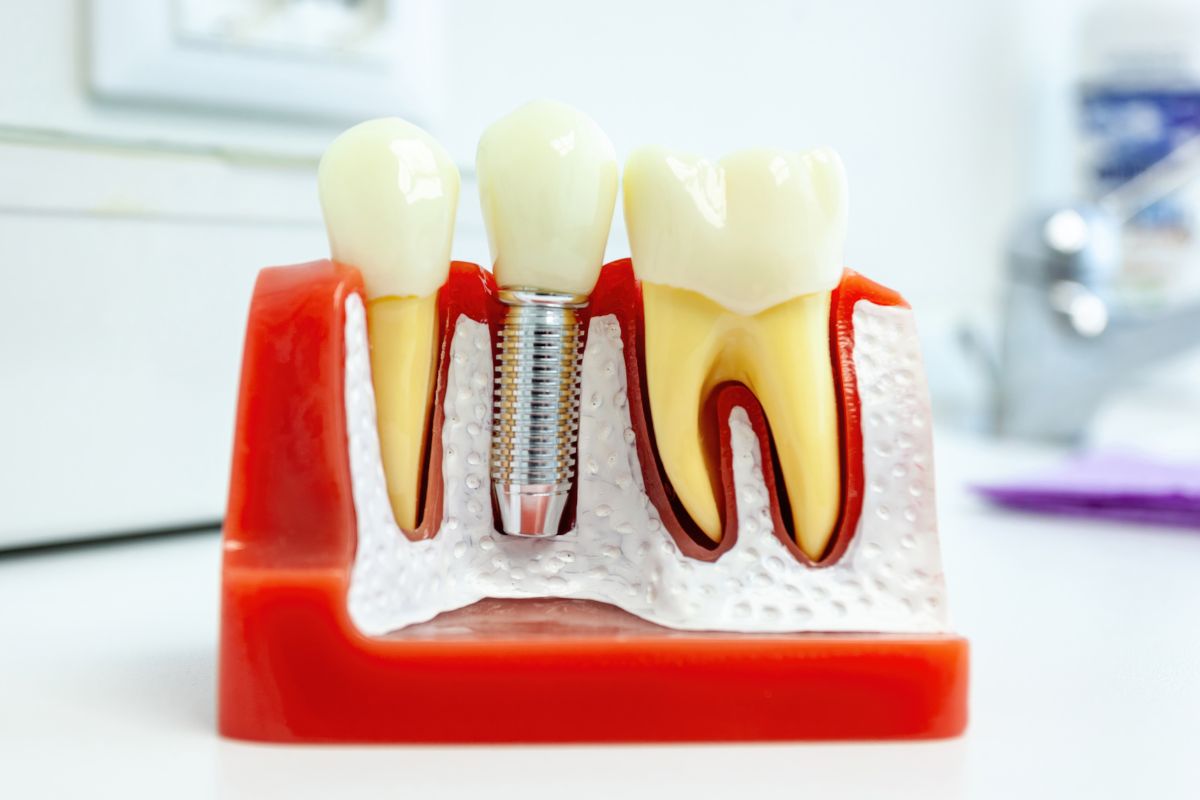
A dental bone graft is a procedure that adds bone material to areas of the jaw where bone density is insufficient to restore bone density. Over time, the graft integrates with your natural bone, providing the necessary support for dental implants.
Bone loss can occur due to various reasons, including:
- Tooth loss
- Gum disease (periodontitis)
- Trauma or injury to the jawbone
- Prolonged denture use
Types of Bone Grafts for Dental Implants
There are several types of bone grafting techniques, but the most commonly used for dental implants include:
Autogenous Bone Graft: Autografts involves using bone from your own body, typically from the chin, jaw, or hip. Since it’s your own bone, it has excellent compatibility and healing properties.
Allograft: Uses bone from a human donor, processed to ensure safety and compatibility.
Our experienced oral surgeon will determine the best option for you based on your specific needs.
How Do You Know If You Need a Bone Graft for Implants?
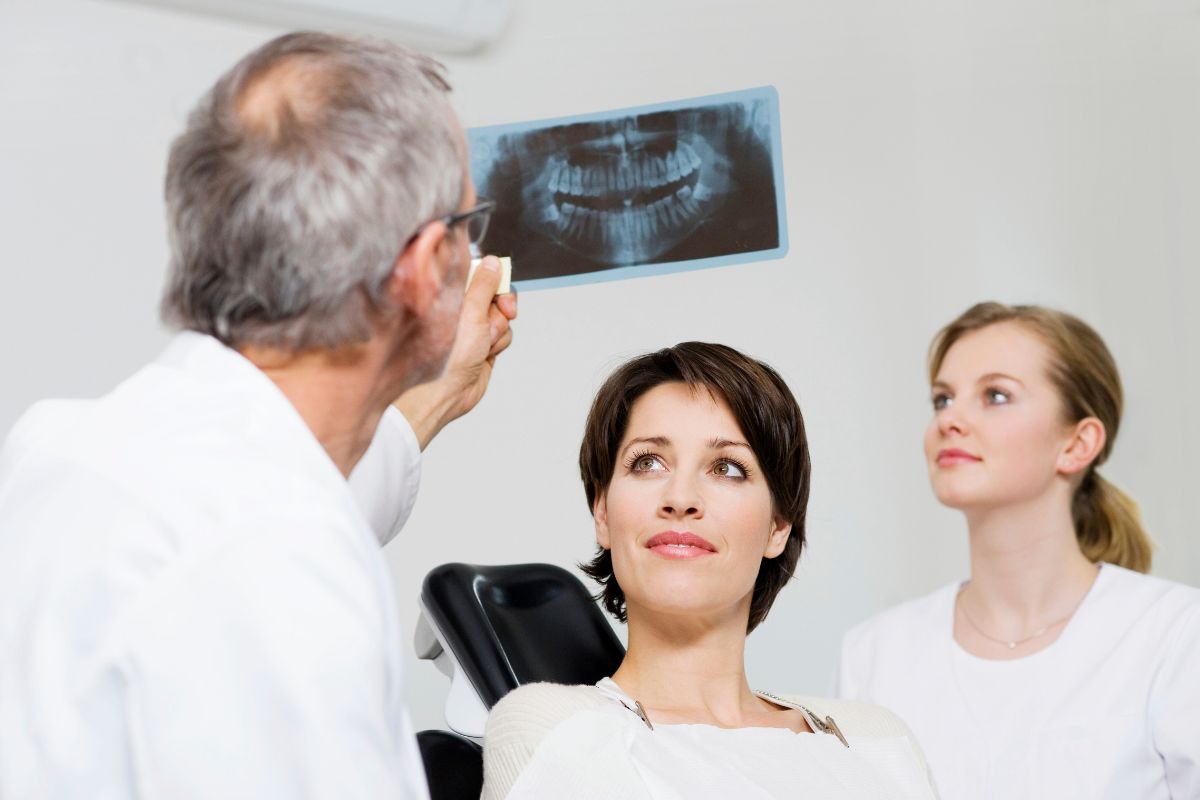
Not everyone needs a bone graft before getting dental implants. Our oral surgeon will assess your jawbone density through X-rays and CT scans. If significant bone loss is detected, a bone graft for implants will likely be recommended.
Common signs of needing a bone graft include:
- Bone shrinkage or resorption after tooth loss
- A history of gum disease causing bone deterioration
- Difficulty with dentures or bridges due to lack of support
Benefits of Bone Grafting for Dental Implants
A dental bone graft before implant placement provides several benefits, including:
Stronger foundation for implants: Ensures long-term implant stability and function.
Improved aesthetics: Restores facial structure and prevents a sunken appearance due to bone loss.
Better oral health: Encourages natural bone regeneration and maintains jawbone integrity.
What to Expect During a Bone Grafting Procedure
The bone grafting procedure is typically performed under local anesthesia. Our surgeon will place the bone graft material in the deficient area and secure it with a membrane or small screws. Healing time varies but usually takes a few months before the bone is strong enough to support an implant.
Secure Long-Term Implant Stability Through Bone Grafting
If you’re in Phoenix or Tempe and require a bone graft for implants, our trained surgeons, Dr. Michael W. Golding and Dr. J. Gregory Sabol, are available to assist you. We offer advanced bone grafting techniques to ensure the success of your dental implants and restore your smile with confidence. Schedule a Consultation Today.